Rebuilding the Unconditioned Knee: A 3-Month Rehab Blueprint for Combined MCL and MPFL Tears
Rebuilding the Unconditioned Knee: A 3-Month Rehab Blueprint for Combined MCL and MPFL Tears
Read More
OUR BLOGS
What is Sports Medicine ? Sports Medicine is a misconstrued specialty and confused to be the domain of Orthopaedic and Arthroscopy based surgeons. Sports Medicine is a multi disciplinary science which primarily comprises of three broad specialties- Exercise Physiology, Orthopaedic Medicine(conservative / non operative orthopedics) and Allied Medicine , further it includes sub specialties of Sports Medical emergencies, Sports Psychology, Sports Nutrition, Biomechanics and Pharmacology (Doping) related to sports. Infact 85 to 90 % of sports injuries do not require a surgery and if a need for surgery does arise after a detailed evaluation then a referral to a orthopaedic / arthroscopy surgeon is done along with a co-ordination for post operative rehabilitation. For more info on Sports Medicine and sports injuries contact our Sports Medicine Doctor.
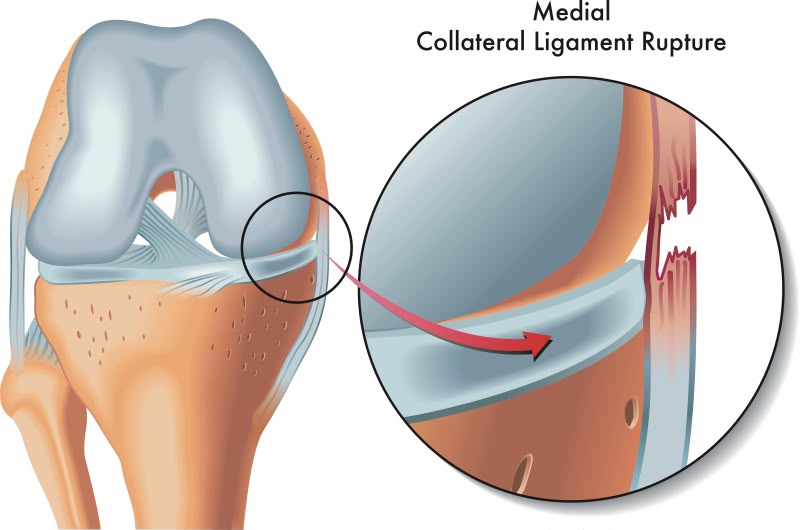
Rebuilding the Unconditioned Knee: A 3-Month Rehab Blueprint for Combined MCL and MPFL Tears
Read More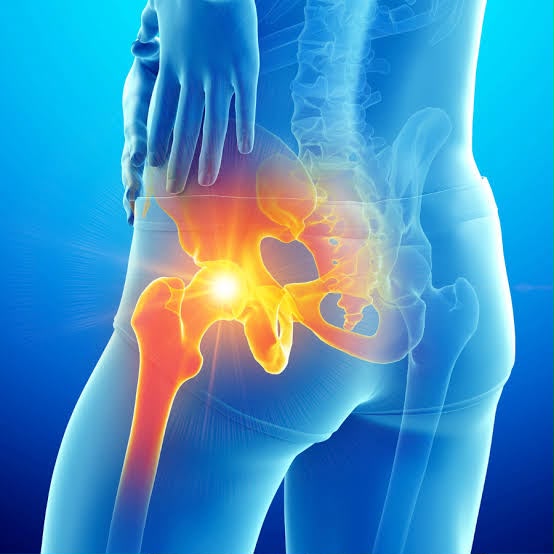
Rebuilding the Runner: How Targeted Rehabilitation Overcame Bilateral Hip OA
Read More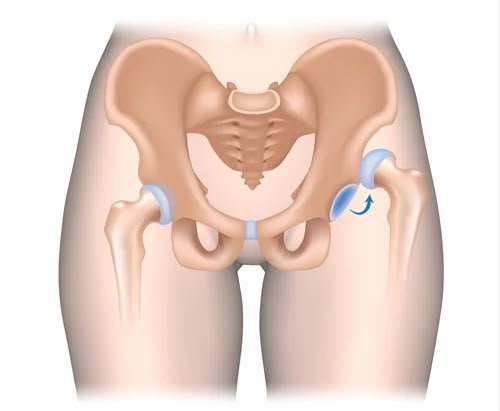
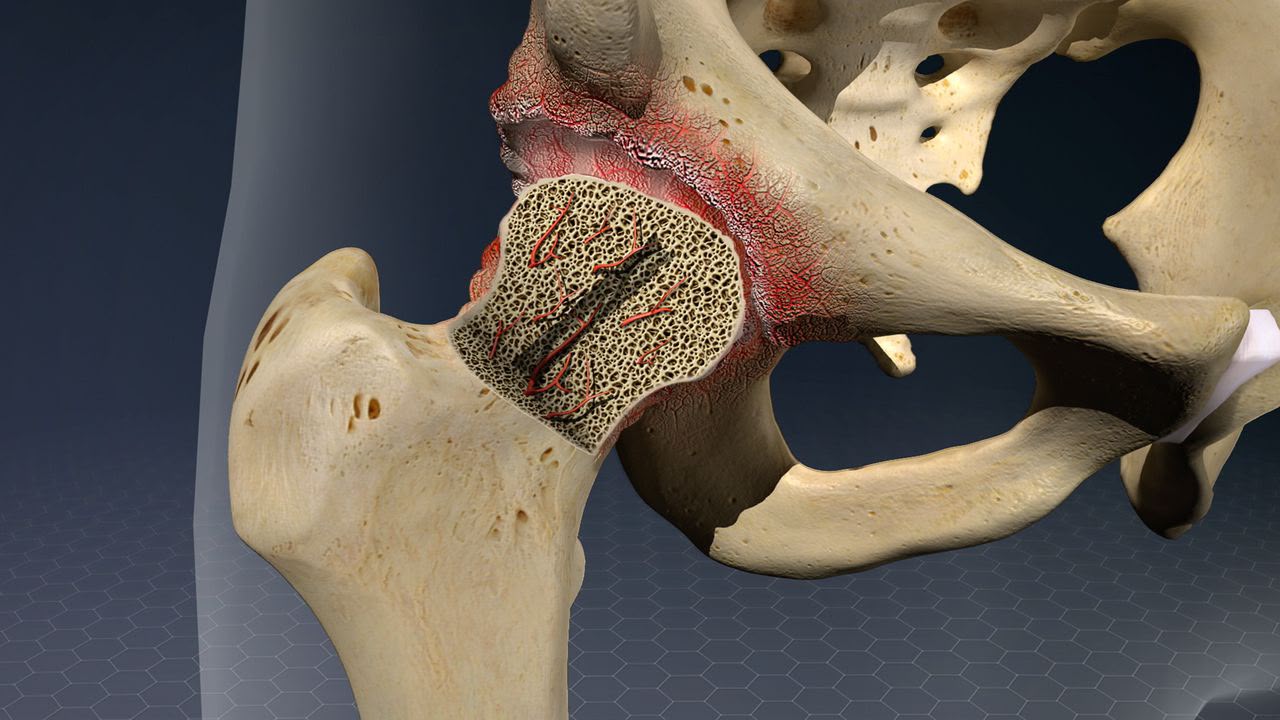
Rehabilitation Success in Bilateral Hip Avascular Necrosis (AVN)
Read More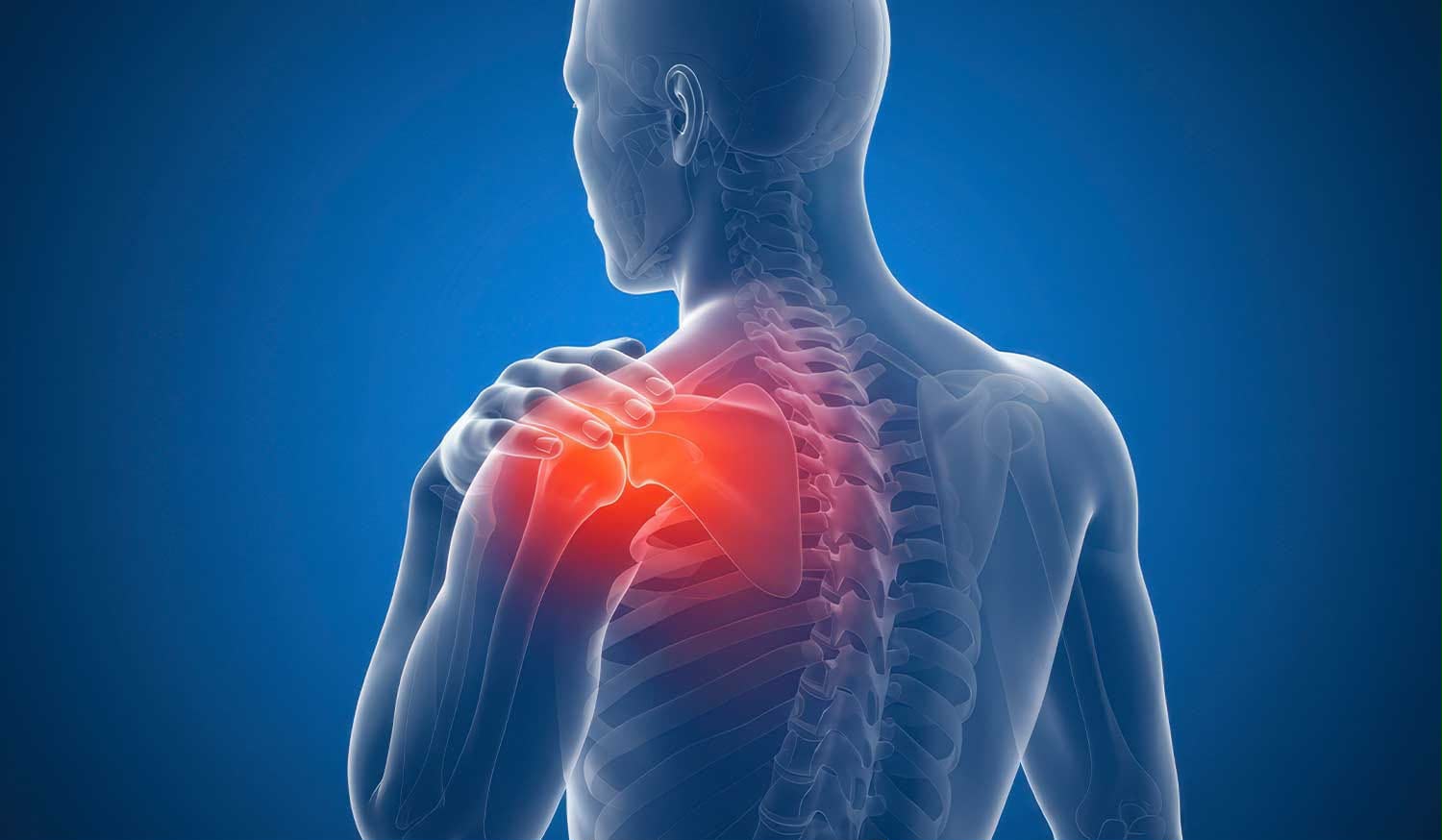
Frozen Shoulder Rehabilitation: A Successful Recovery Case
Read More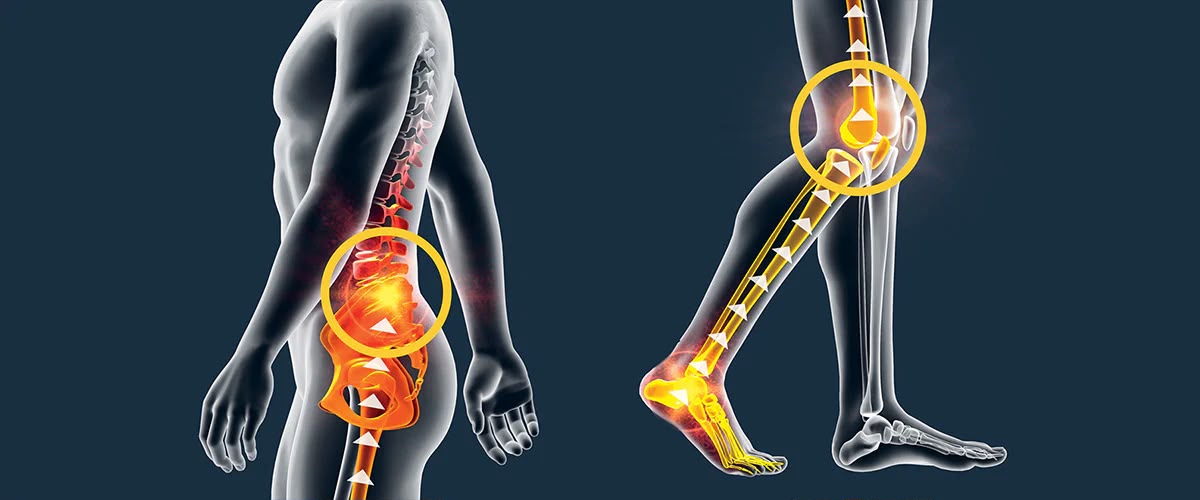
Dr Rana K Chengappa is a renowned MBBS Sports Medicine Doctor in Gurgaon with over 30 years of experience in athlete care and injury management.
Read More
Recover effectively under the care of an expert specialist. As a premier MBBS sports injury doctor in Gurgaon, Dr Rana K Chengappa provides advanced clinical diagnoses at our modern clinic.
Read More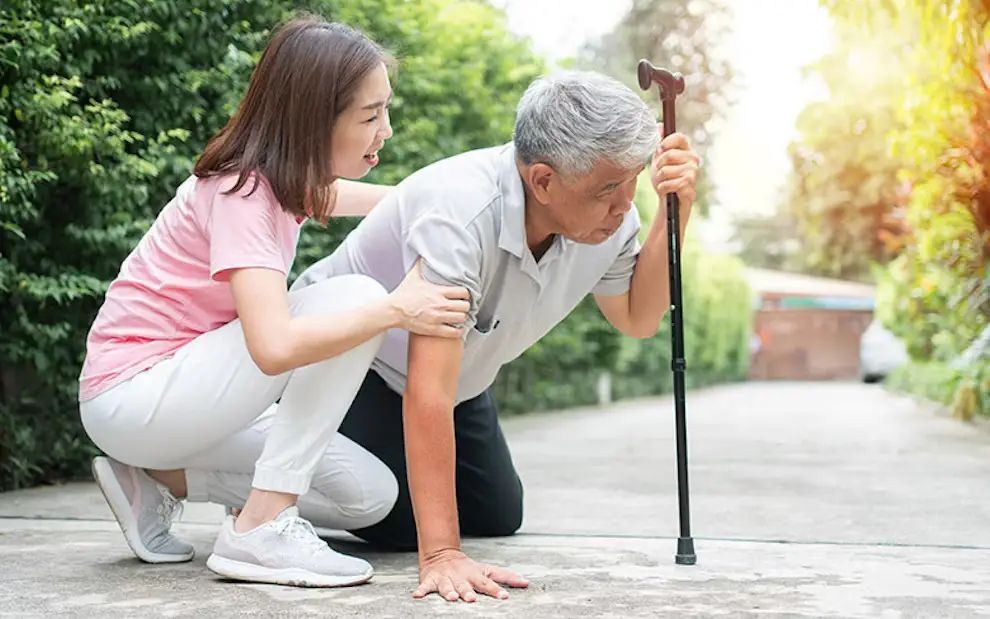
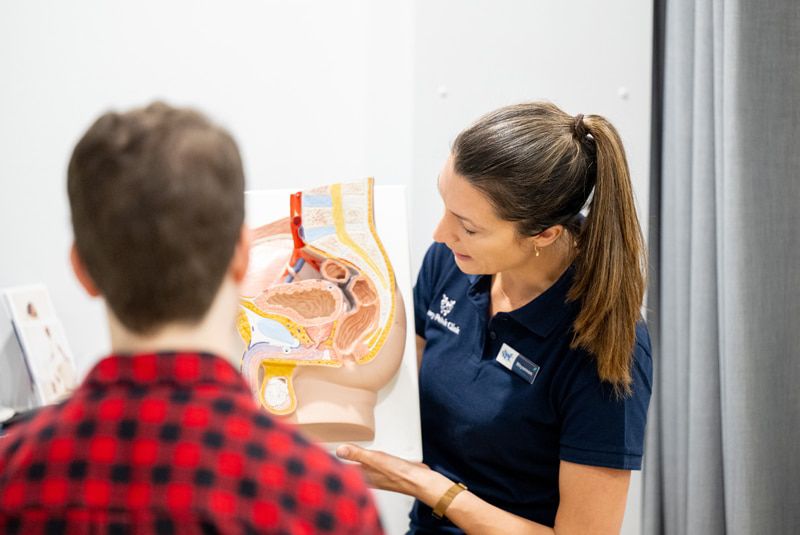
Life After Prostate Surgery-How Physiotherapy Supports Recovery?
Read More
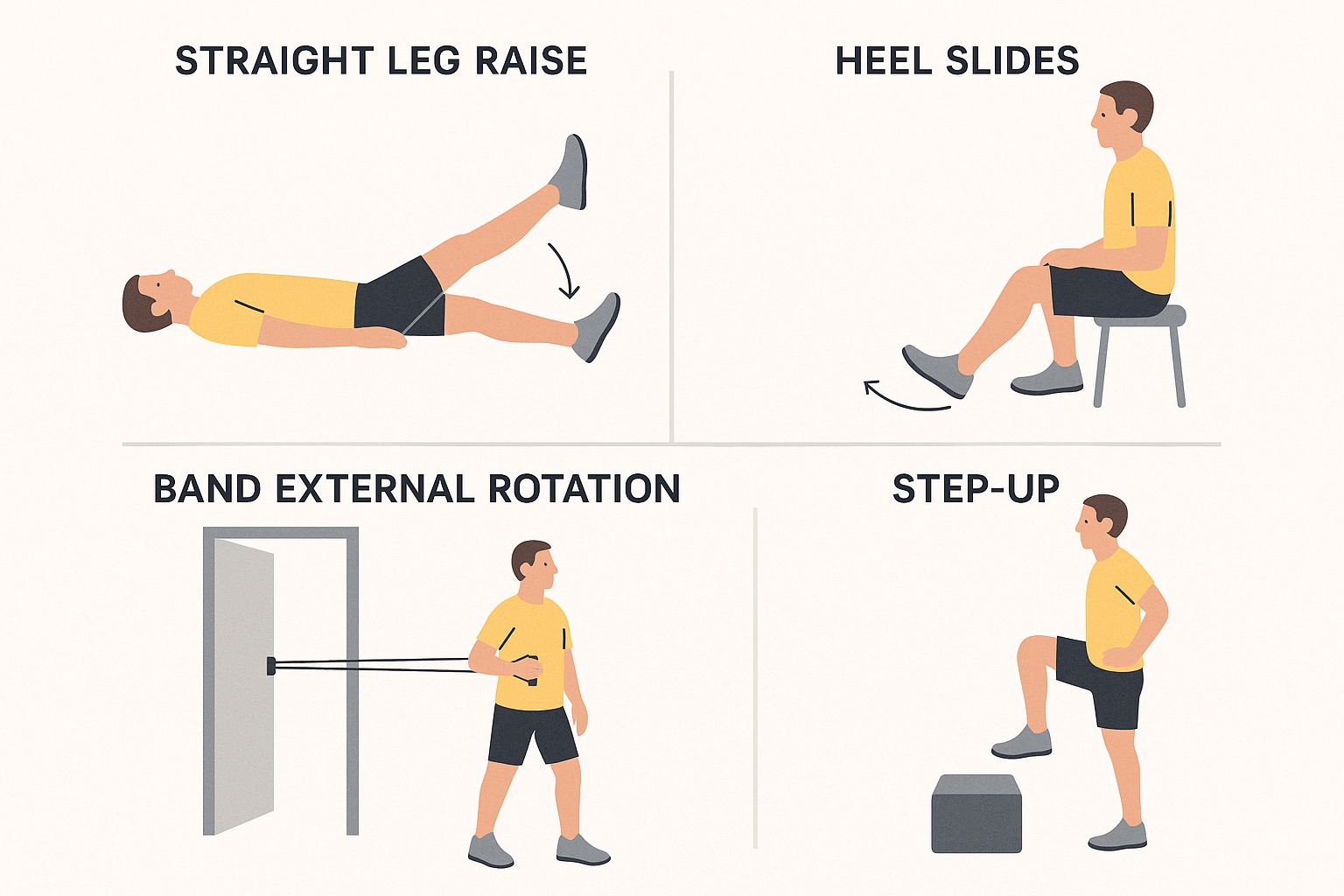
PHYSIOTHERAPY PROTOCOL IN SPORTS RECOVERY:
Read More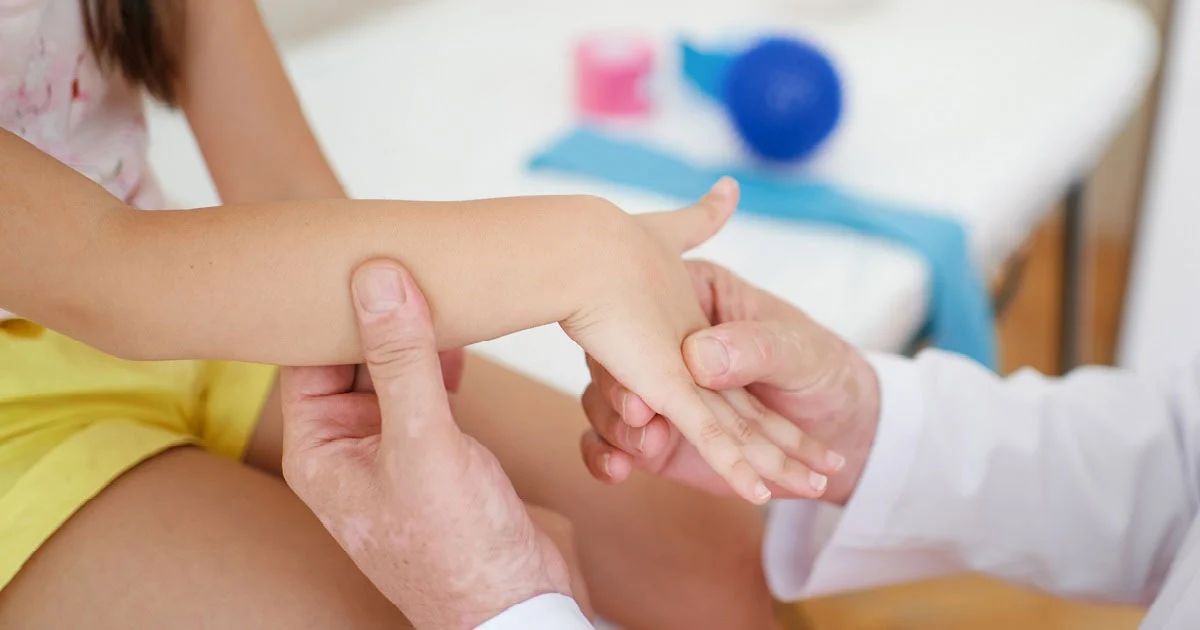
How serious is juvenile arthritis? Does juvenile arthritis get worse with age?
Read More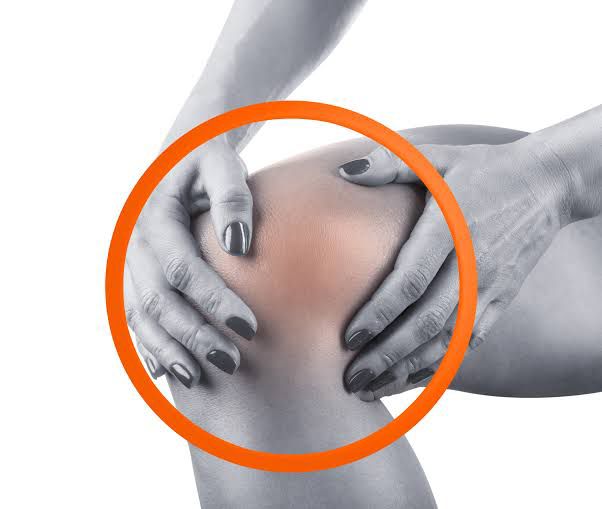
Why Strengthening Alone Isn’t Fixing Your Knee Pain
Read More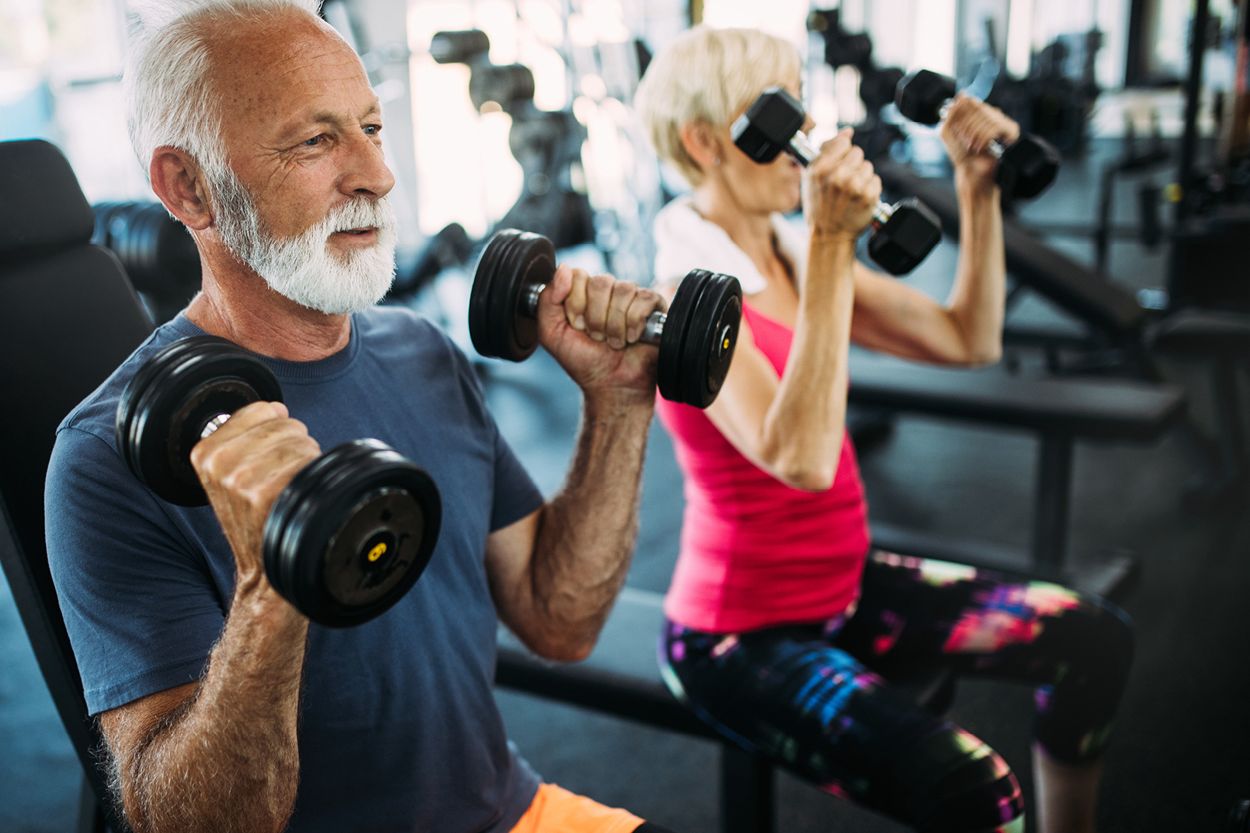
Aging Is Not the Problem—Inactivity Is: Importance Of Rehab After Age Of 40, 50, and 60
Read More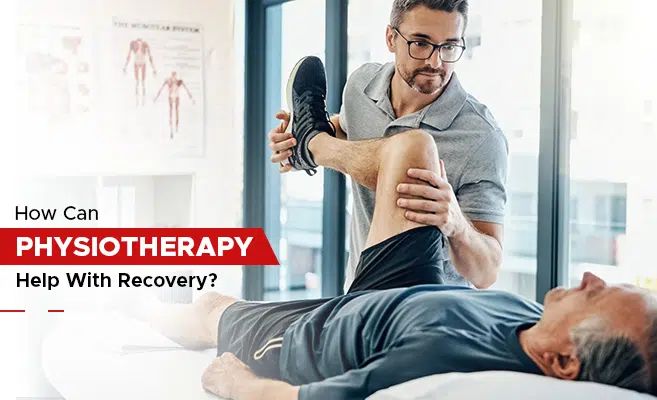
Life After Prostate Surgery-How Physiotherapy Supports Recovery?
Read More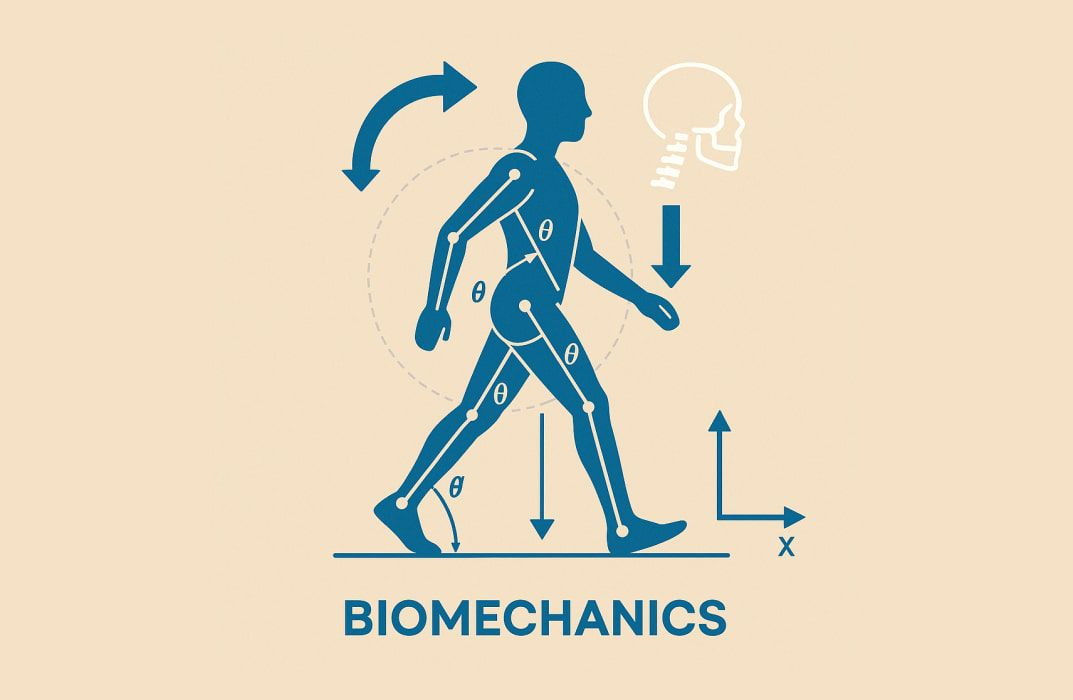
The integration of advanced motion analysis and biomechanics into sports rehabilitation is redefining clinical outcomes by shifting the focus from symptom-based treatment to precision-driven recovery.
Read More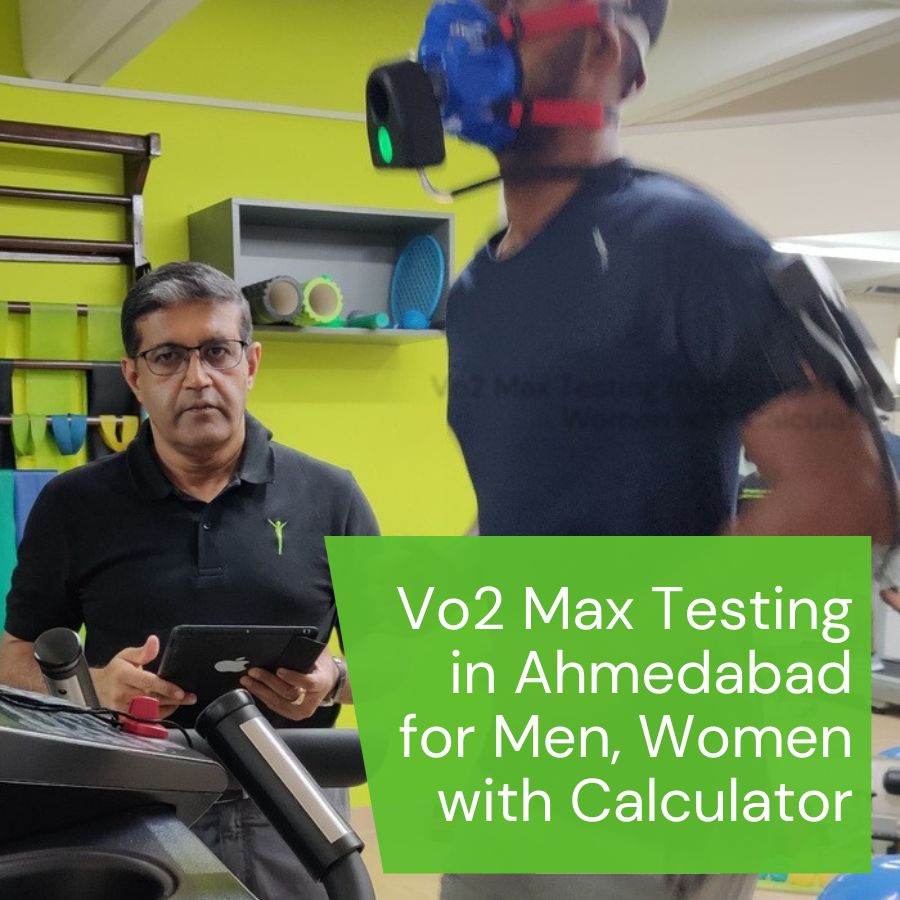
Vo2 Max Testing in Ahmedabad for Men, Women with Calculator is an essential fitness assessment that evaluates how efficiently your body
Read More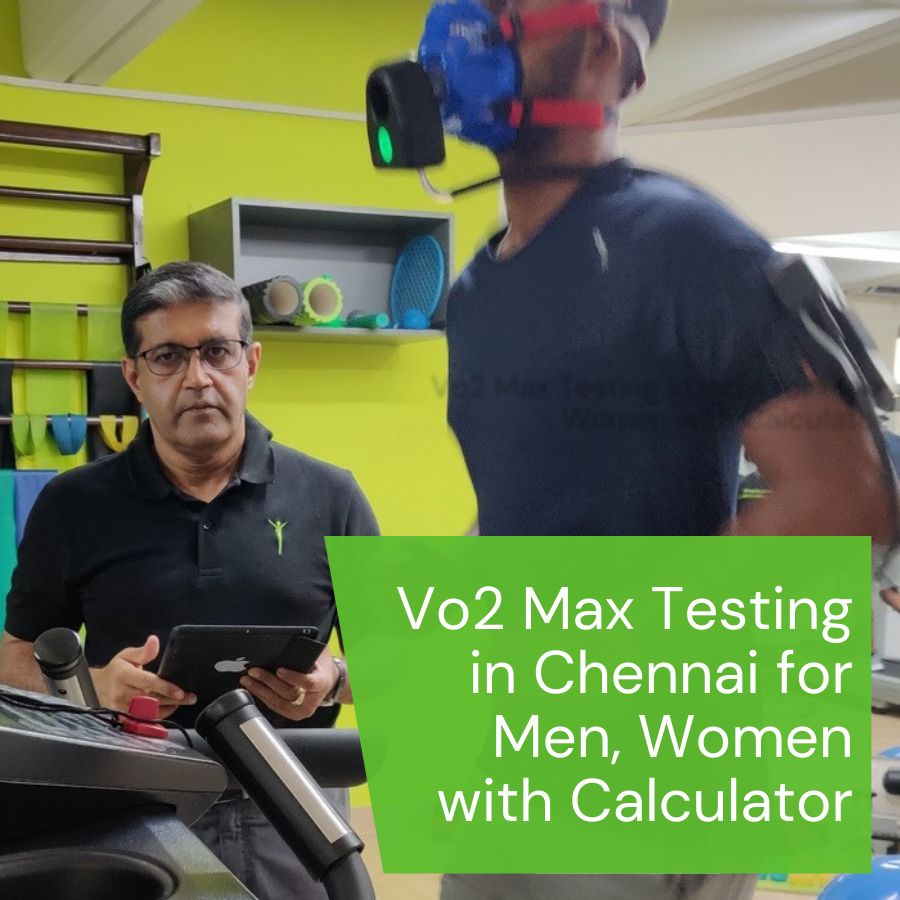
Vo2 Max Testing in Chennai for Men, Women with Calculator is a vital fitness assessment designed to measure how efficiently
Read More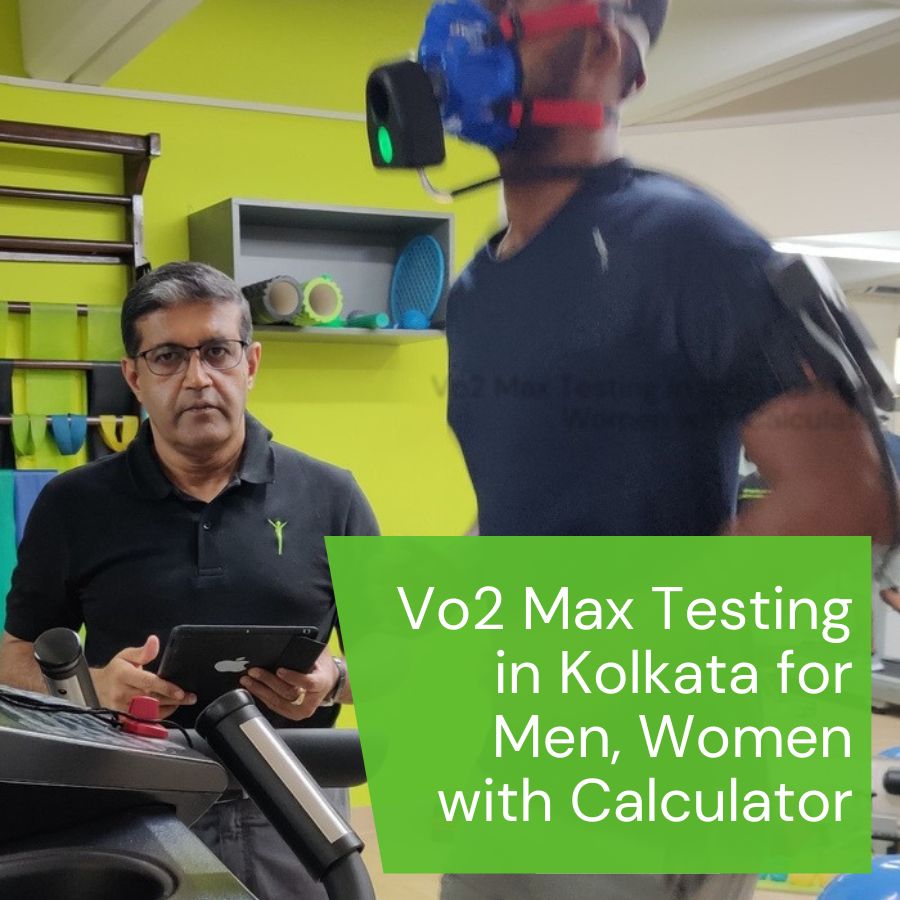
Vo2 Max Testing in Kolkata for Men, Women with Calculator is a vital assessment for anyone looking to monitor stamina, improve performance,
Read More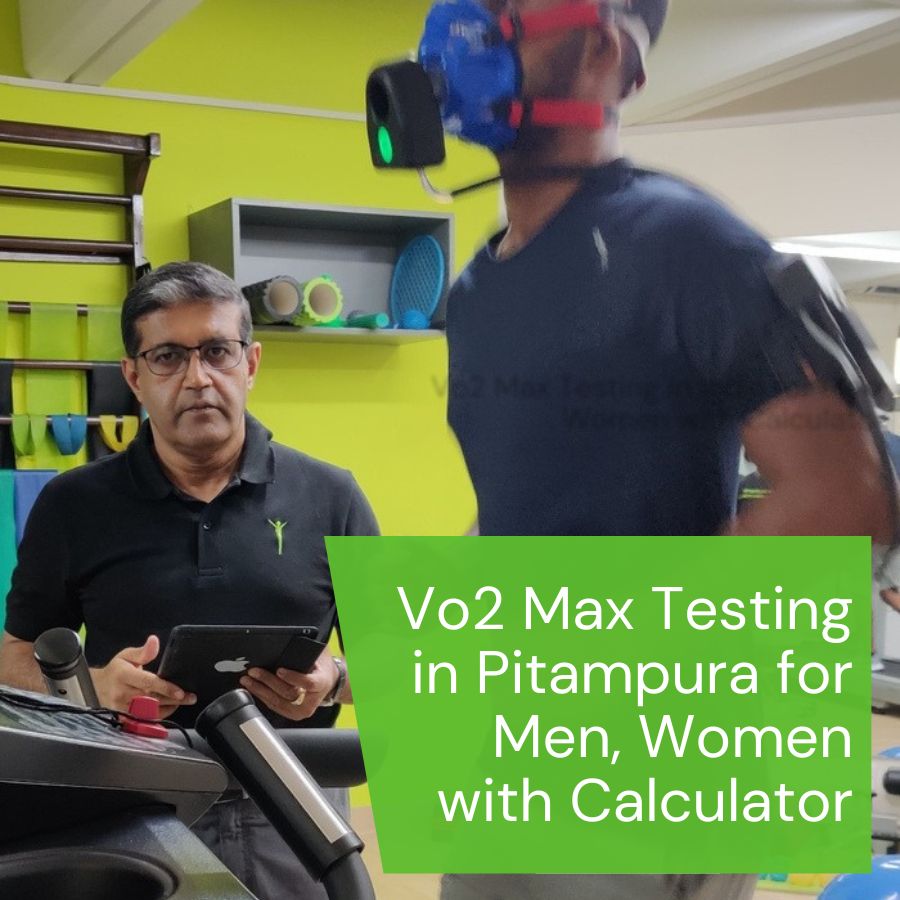
Vo2 Max Testing in Pitampura for Men, Women with Calculator is an essential fitness evaluation that measures how effectively your body
Read More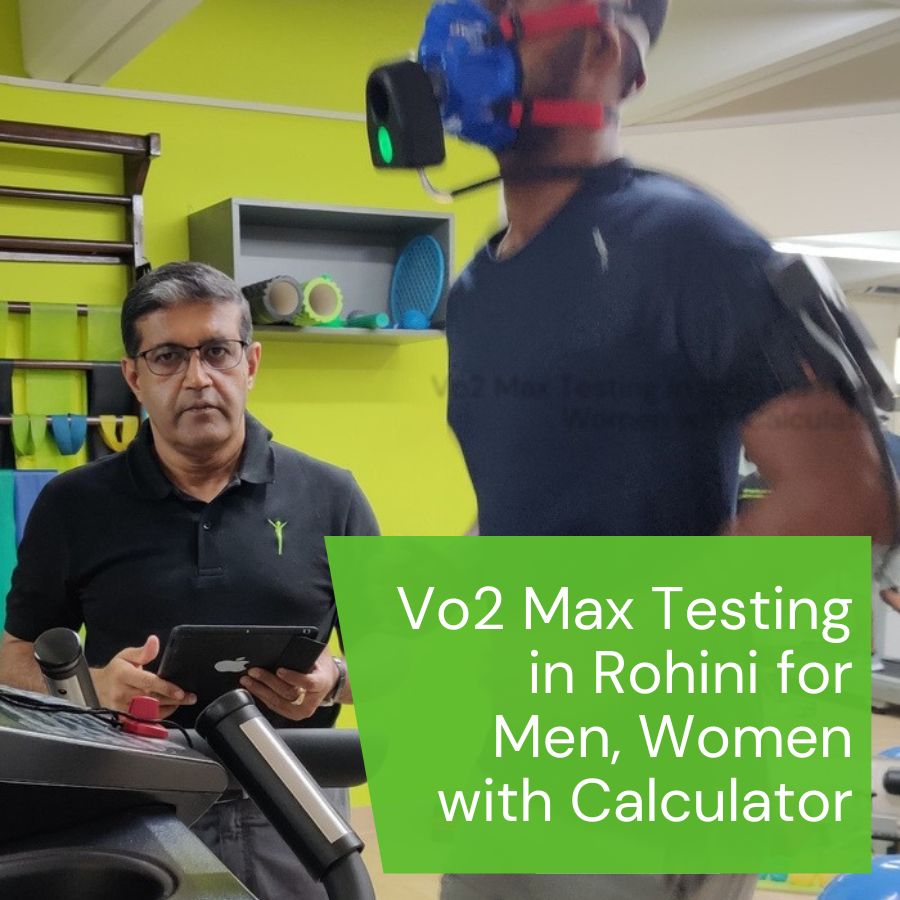
Vo2 Max Testing in Rohini for Men, Women with Calculator is a vital fitness assessment designed to measure
Read More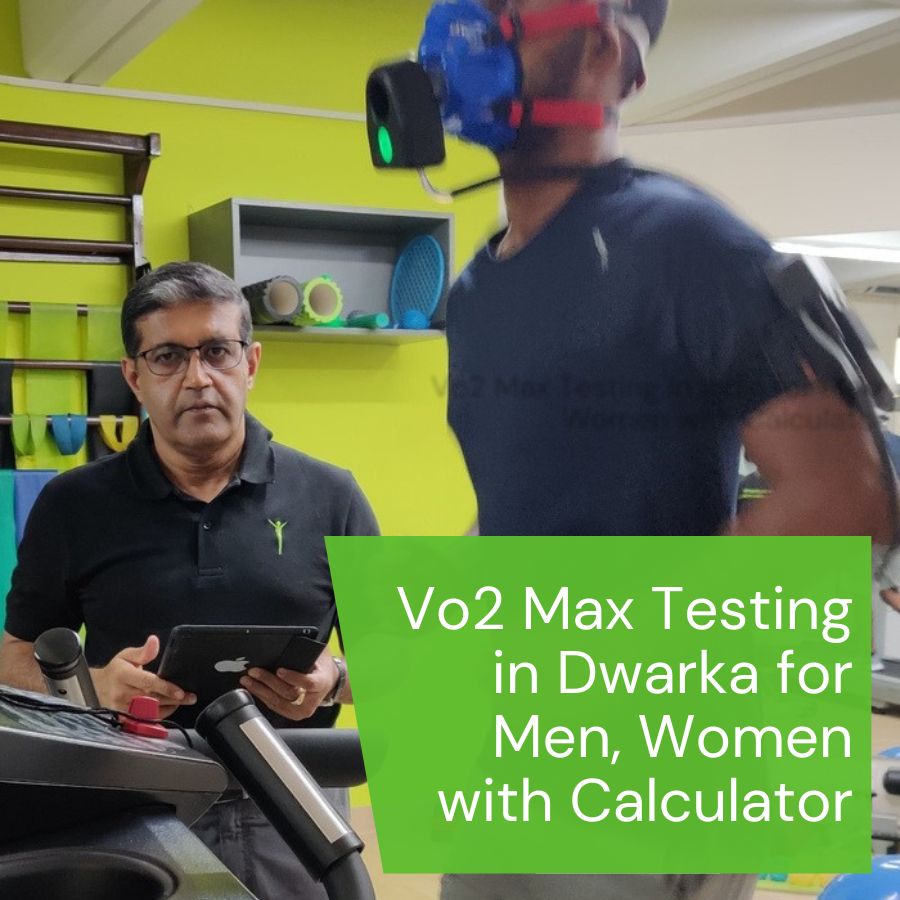
Vo2 Max Testing in Dwarka for Men, Women with Calculator is an advanced fitness assessment that evaluates
Read More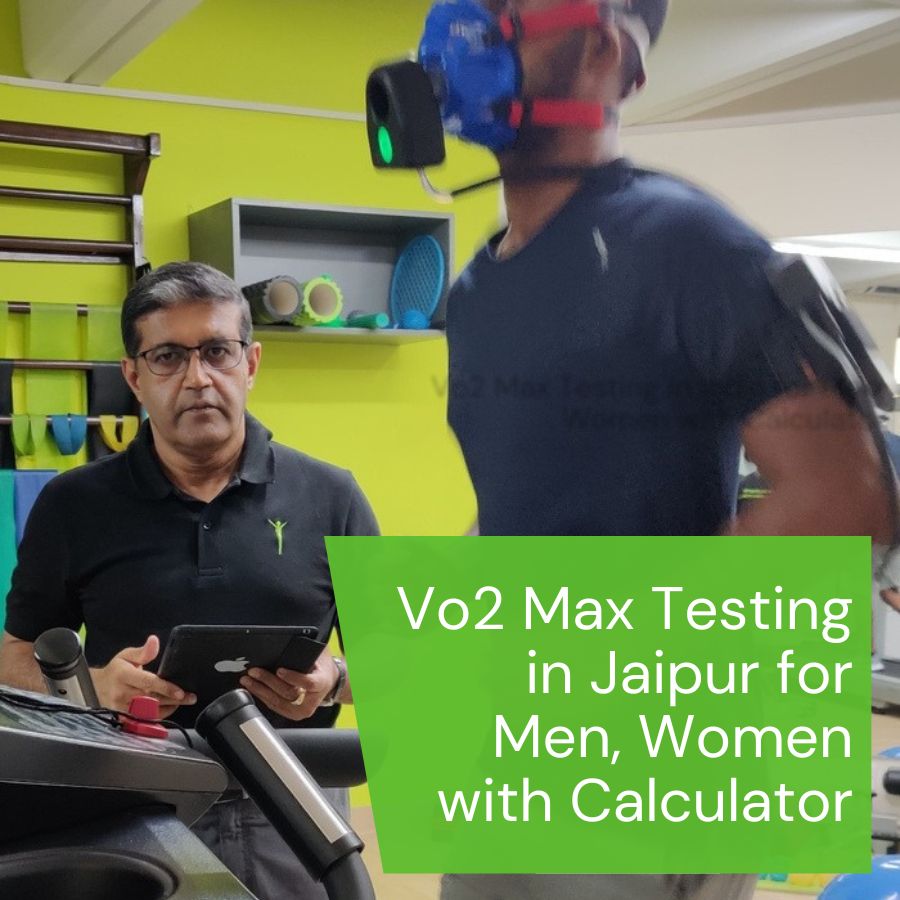
Vo2 Max Testing in Jaipur for Men, Women with Calculator is a key fitness assessment for anyone aiming to improve stamina
Read More
Vo2 Max Testing in Pune for Men, Women with Calculator is a vital fitness assessment for anyone aiming to monitor
Read More
Vo2 Max Testing in Mumbai for Men, Women with Calculator is a modern fitness assessment that measures how efficiently
Read More
Vo2 Max Testing in Bangalore for Men, Women with Calculator is an advanced fitness assessment designed
Read More
Vo2 Max Testing in Hyderabad for Men, Women with Calculator is an essential fitness assessment for anyone looking to improve
Read More
Vo2 Max Testing in Chandigarh for Men, Women with Calculator is a vital assessment for anyone looking to improve
Read More
Vo2 Max Testing in Ghaziabad for Men, Women with Calculator is becoming an essential part of fitness and performance assessments
Read More
Vo2 Max Testing in Noida for Men, Women with Calculator is an essential fitness assessment for anyone looking
Read More
Vo2 Max Testing in Faridabad for Men, Women with Calculator is gaining popularity as more people focus
Read More
VO2 Max Testing in India for Men, Women with Calculator is becoming increasingly popular as more people focus on improving endurance, monitoring health, and
Read More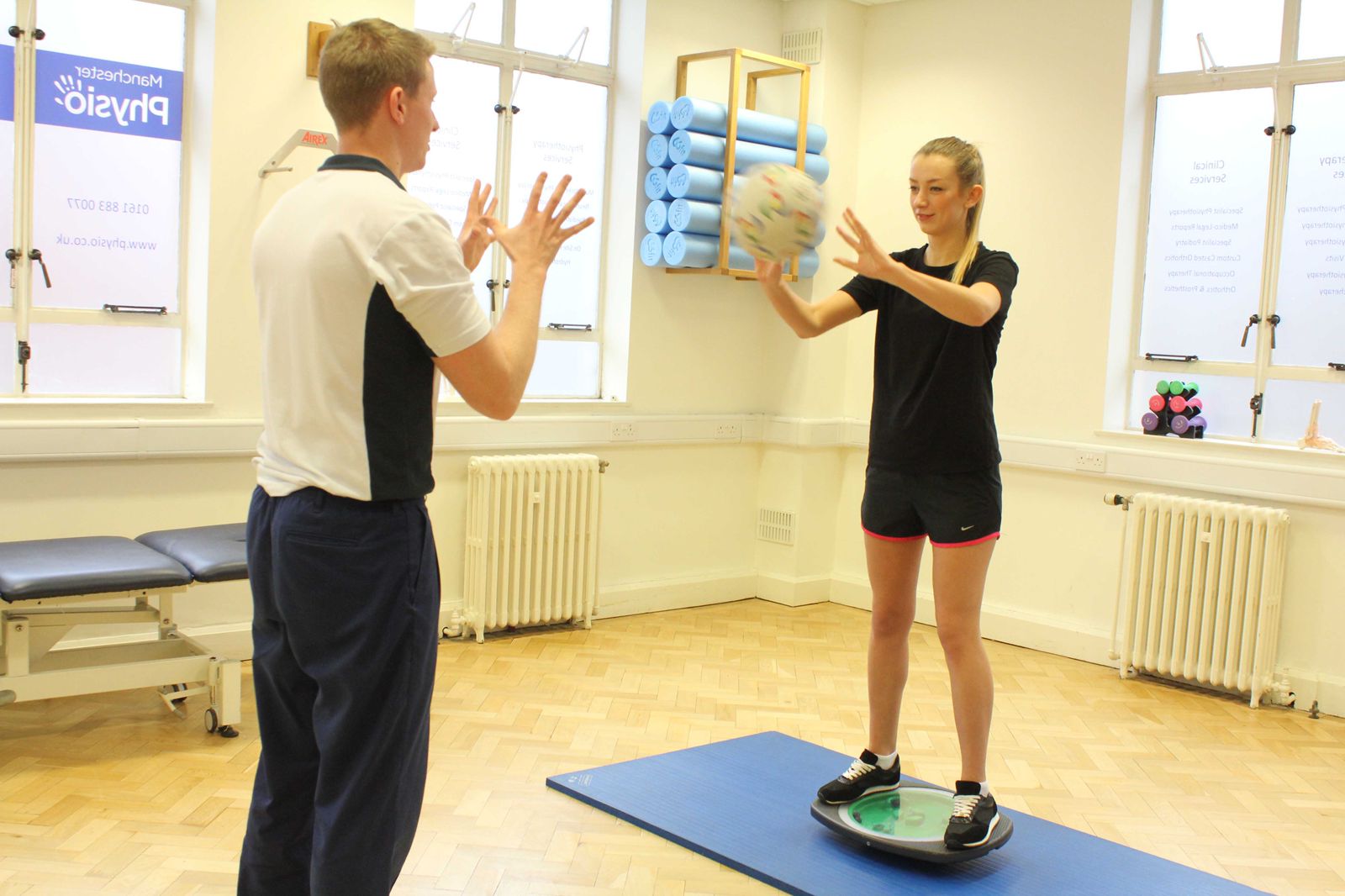
PHYSIOTHERAPY FOR BALANCE AND COORDINATION
Read More
How Your Fascia Holds Trauma – And How Physiotherapy Can Release It Fascia is a continuous web of connective tissue that surrounds every muscle, bone, and organ in the body. When we experience physical injuries or emotional stress, the fascia can contract and become dense, forming adhesions that restrict movement and disrupt normal function. Over time, these restrictions can lead to chronic pain, stiffness, and a sense of “holding tension” in the body —
Read More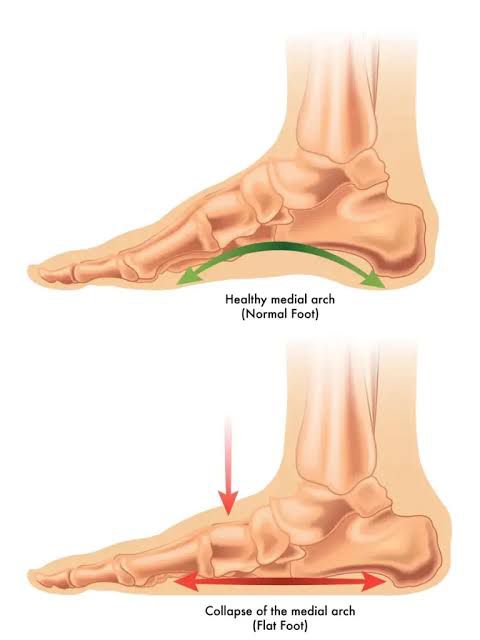
Flat Feet: A Small Shift That Can Impact Your Whole Body When we hear the term flat feet—also known as fallen arches or the medical term pes planus - it might not sound like a serious issue. But did you know that this subtle change in the structure of your feet can have a ripple effect across your entire body? What Exactly Are Flat Feet?
Read More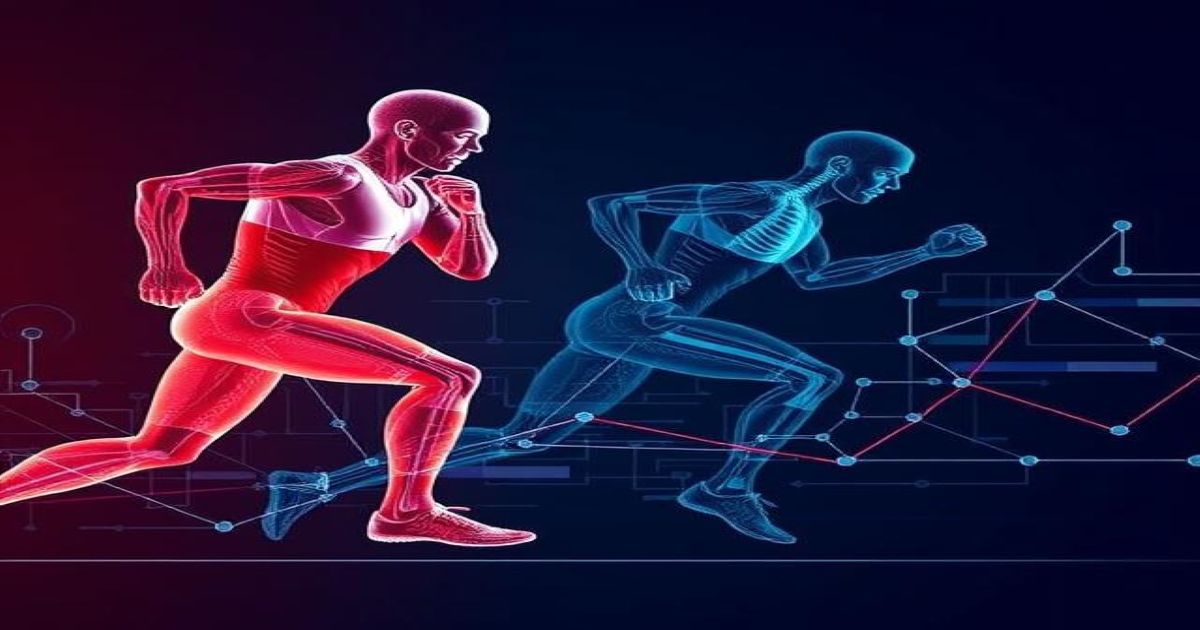
Revolutionizing Sports Rehabilitation with Advanced Motion Analysis & Biomechanics The integration of advanced motion analysis and biomechanics into sports rehabilitation is redefining clinical outcomes by shifting the focus from symptom-based treatment to precision-driven recovery. Technologies like 3D motion capture systems, inertial measurement units (IMUs), and force platforms now allow clinicians to objectively quantify movement inefficiencies, joint kinetics, and neuromuscular deficits with unparalleled accuracy.
Read More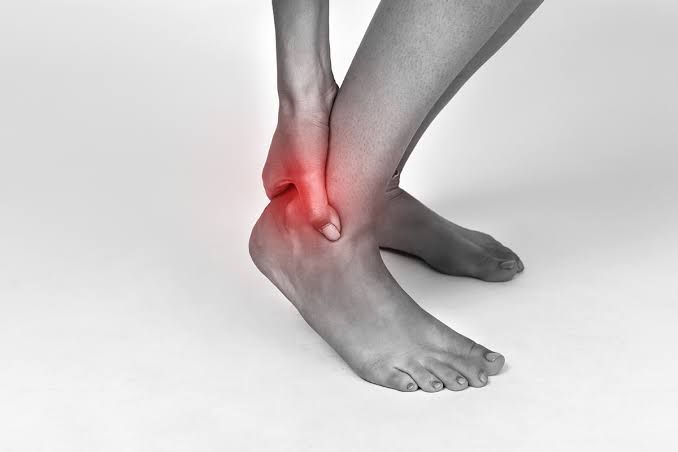
Achilles Tendinopathy- Shock-wave Therapy, Dry Needling, or Exercise oriented Rehab: What Works Best? Achilles Tendinopathy- can be defined as a common injury to the tendon connecting the calf muscle to the heel as a result of overuse. It is very frequent among athlete, runners and individual with active lifestyle. Nowadays various treatment procedures are available to target this condition including Shock-wave Therapy, Dry Needling, or Exercise oriented Rehab, which leads to one
Read More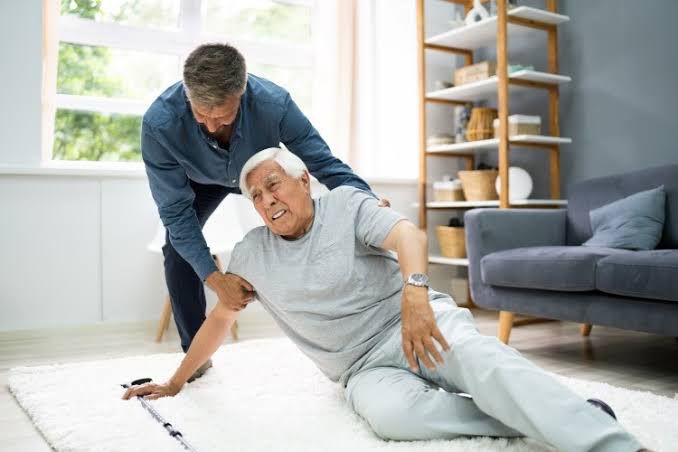
How we get rid of Fear of Falling ?? Fear of falling in older adults is a common concern that can lead to reduced physical activity, loss of independence, and social isolation. It often arises after a fall or due to decreased balance and strength, increasing the risk of future falls and negatively impacting quality of life.
Read More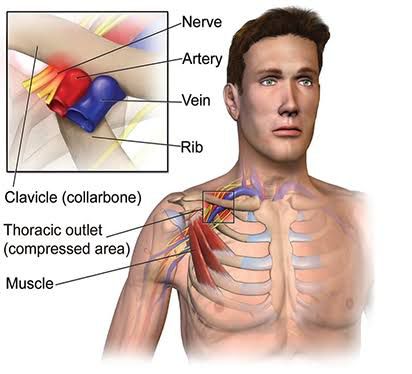
THORACIC OUTLET SYNDROME Thoracic outlet syndrome is a term used for several rare and different conditions that can occur when nerves and/or blood vessels in the thoracic outlet are compressed or irritated. The thoracic outlet is the space between the collarbone (clavicle) and the first rib. This narrow passageway is crowded with blood vessels, muscles, and nerves. If the shoulder muscles in the chest are not strong enough to hold the collarbone in place, it can slip down and forward, putting pressure on the nerves and blood vessels that lie under it. This causes a variety of symptoms which together are known as thoracic outlet syndrome. Cause:
Read More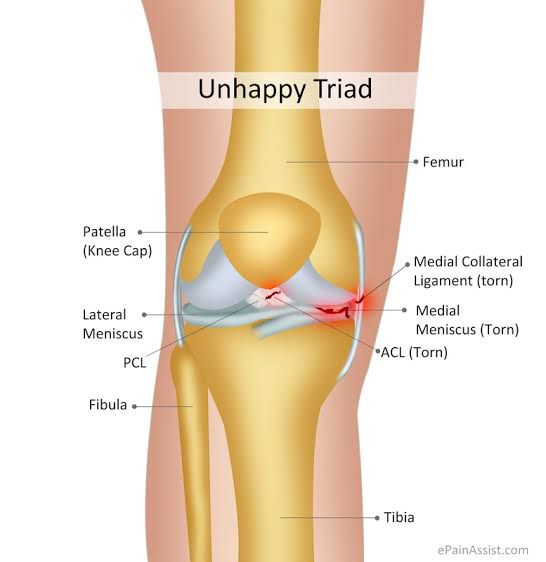
Understanding the Unhappy Triad: A Physiotherapist’s Approach The "Unhappy Triad" is a significant knee injury involving tears to three critical structures: the anterior cruciate ligament (ACL), medial collateral ligament (MCL), and meniscus. This injury often results from a forceful impact to the outer knee while the foot is planted, causing a twisting motion. Such injuries are common in contact sports like football or skiing. Physiotherapy plays a vital role in both non-surgical and post-surgical recovery. Initially, treatment focuses on reducing pain and swelling through rest, ice, compression, and elevation. As healing progresses, a structured rehabilitation program is essential to restore
Read More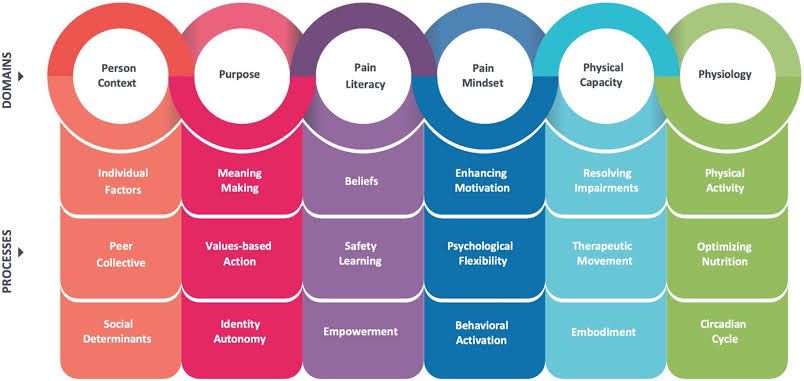
Decoding Pain: Why the PRISM Model Is a Game-Changer in Rehab Chronic pain management is undergoing a transformative shift with the introduction of the Pain Recovery and Integrative Systems Model (PRISM). Developed as a process-based cognitive-behavioral approach, PRISM is designed to guide physical therapists in addressing the multidimensional nature of pain. Unlike traditional models that focus solely on symptom reduction, PRISM emphasizes building resilience, nurturing growth, and facilitating pain recovery by considering the whole person.
Read More
Success in sports is not built on training alone. Behind every powerful sprint, precise movement, and strong recovery lies something just as important—nutrition.
Read More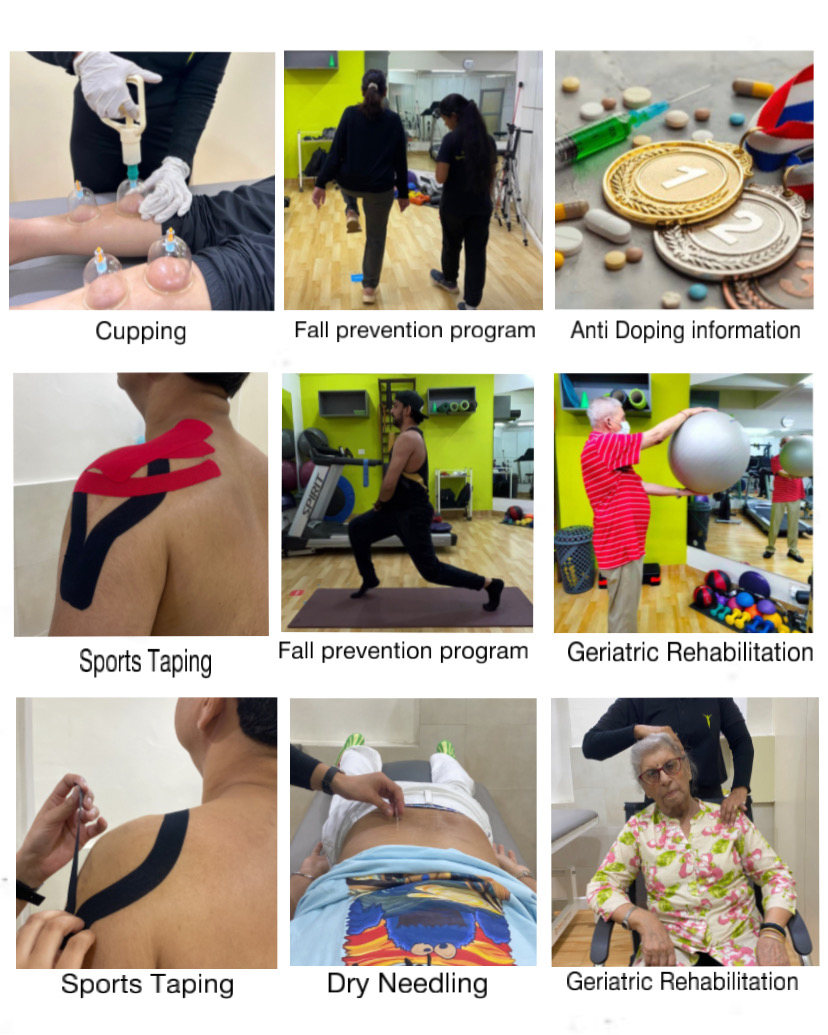
In today’s healthcare and wellness landscape, people expect more than just routine treatment—they seek a complete, personalized experience that addresses their unique needs. That’s why we believe in offering more than traditional therapy. Our Specialised Value-Added Services are designed to enhance your care, improve outcomes, and support your well-being in ways that standard programs often overlook.
Read More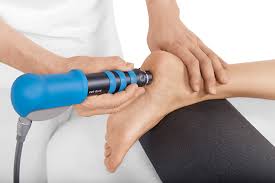
Chronic pain can deeply affect your everyday life, limiting movement, productivity, and happiness. Many people struggle with conditions like tendon injuries, joint discomfort, or muscle tightness that refuse to improve despite traditional treatments.
Read More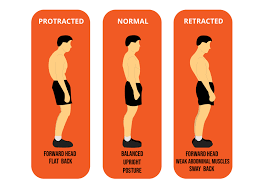
Our daily movements shape our health more than we realize. Whether it’s standing at a desk, walking to the store, or running in a park, the way our bodies move directly impacts our comfort, performance, and injury risk. Walking & Running Analysis is a specialized assessment that uncovers how your body moves and highlights areas needing improvement. By understanding your movement patterns, you can step toward better health and longevity.
Read More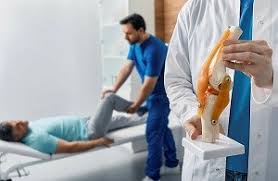
Injuries affecting your muscles, bones, and joints can do more than cause pain—they can hold you back from living a full, active life. Whether you're an athlete recovering from a sports injury or someone dealing with everyday aches from poor posture or physical strain, healing properly is essential. That’s where musculoskeletal rehabilitation steps in as a safe, effective path to full recovery.
Read More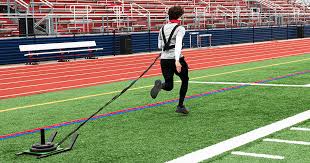
Athletes aren't just born—they’re built. Behind every top-performing athlete lies a foundation of discipline, structured guidance, and ongoing development. That’s where athlete development comes in.
Read More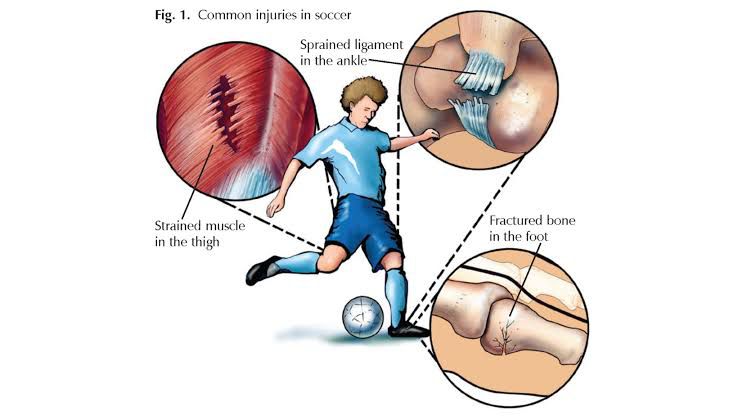
The hidden challenge: overuse injuries in youth sports. Despite being an increasing concern in young sports, overuse injuries are frequently overlooked. Young athletes' bodies experience repetitive strain without enough rest or recuperation when they pursue performance goals and specialise early
Read More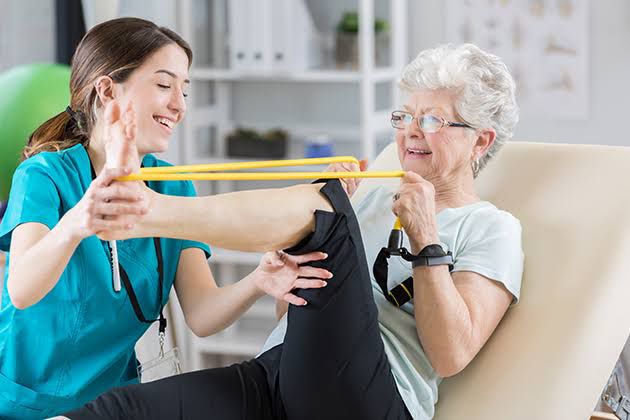
Why you shouldn’t skip the rehab Taking shortcuts on recovery can be easy when we are experiencing physical or emotional pain. After a few days, probably the injury feels "okay." Sometimes the addiction treatment program seems too time-consuming or demanding. Skipping rehabilitation may look like a quick route to normal life in both mental and physical recovery circumstances. However, the reality is that delaying treatment frequently results in setbacks that are much worse than the initial difficulty. Recovery is about safeguarding your future, not simply about feeling better today.
Read More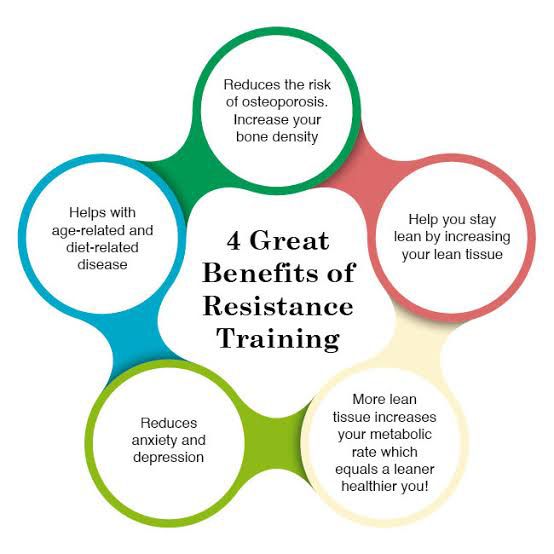
Role of Resistance Training for Bone Health Regular exercise supports bone health, forming the foundation of an individual's overall well-being. In specific cases like osteoporosis, physical movement plays a vital role in improving bone health. We emphasize that movement is key and an effective lifelong strategy for building a stronger skeleton and maintaining bone strength. Research also indicates that regular exercise reduces the risk of injuries. Your muscles and bones love being indulged in training, which is best provided for its life and protects from osteoporosis. Through our expert programs, we help strengthen both bones and muscles. One approach is resistance training, which applies resistance to muscles and bones to stimulate growth.
Read More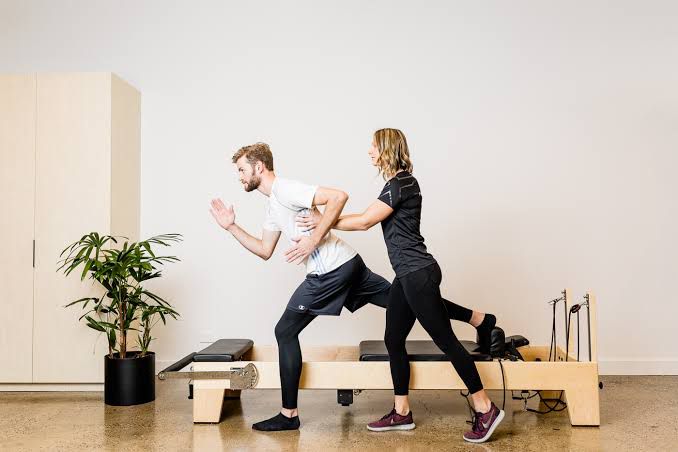
HOW TO PREVENT RUNNING INJURIES WITH PHYSIOTHERAPY Running is a high impact activity and running injuries are common but preventable. Injury prevention should be a part of your routine whether you’re a recreational runner or a marathon runner. Physiotherapy is preventable tool to help you run better and safer.
Read More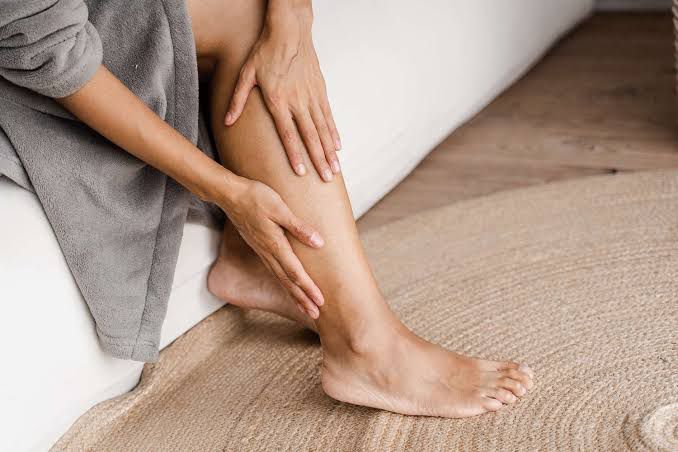
SHOOTING PAIN DOWN THE LEG? LET’S TALK ABOUT SCIATICA Have you ever felt a sharp, shooting pain that travels from your lower back down to your leg —
Read More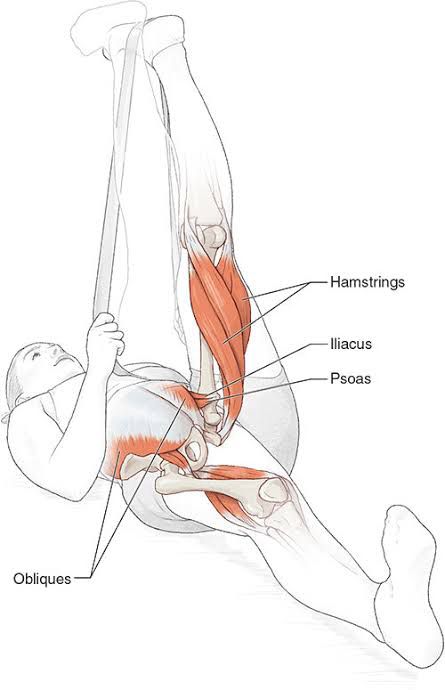
Stronger, Safer, Unstoppable: How Eccentric Training Prevents Injuries In the world of sports, injuries are often viewed as an inevitable part of the game. However, what if you could significantly reduce your risk of injury and unlock a new level of resilience? The solution may lie in a cutting-edge approach to training that's being hailed as a game-changer: eccentric training.
Read More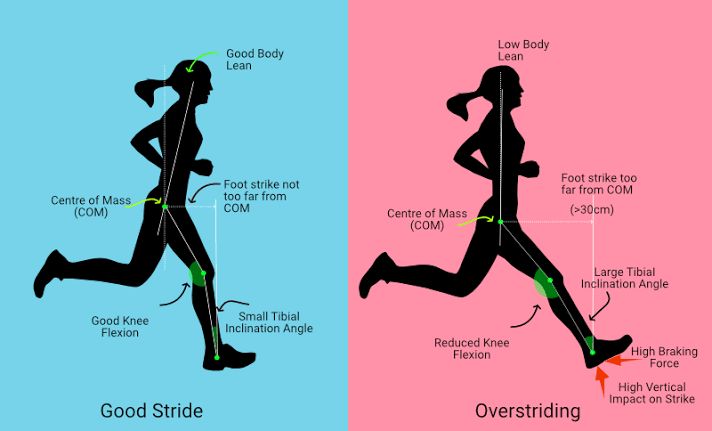
Biomechanical Errors In Runners And How To Fix Them Running is a form of aerobic exercise, which involves full body movements. Biomechanical error during running can cause various injuries and inefficiency. Correcting these mistakes can help in improving performance, enhance running efficiency and reduce injury risk. Here are some common errors-
Read More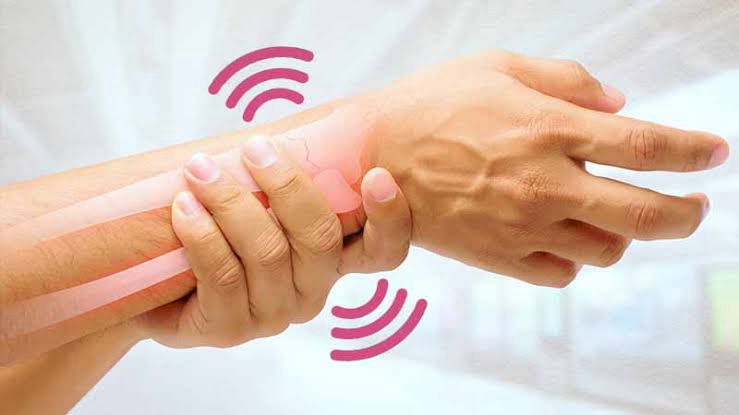
Cracking and popping sounds from the joints known as crepitus. This happens when you move your joints, twisting, stretching and stairs climbing as gas bubbles in the fluid burst, Most of times this doesn't harm your joints. Causes
Read More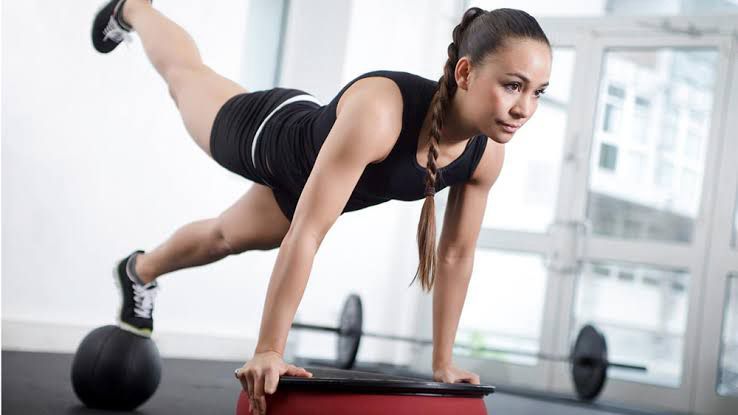
Exercises that increase everyday motions, mobility, stability, strength, and general fitness are the main focus of functional training. Functional training incorporates several muscle groups to replicate real-life tasks such lifting, bending, pushing, pulling, and twisting, in contrast to classical weightlifting, which may highlight individual muscle groups.
Read More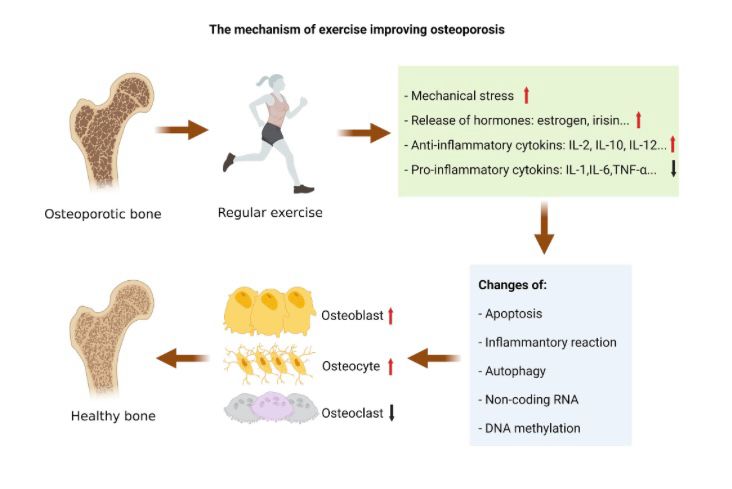
How bone ligament and tendon respond to exercises Connective tissue response to exercise is mediated by cells identifying tissue tension and then altering the kind and quantity of tissue they generate.
Read More
We often times seek physiotherapy only after an injury or when pain becomes unbearable. But what physiotherapy offers goes beyond just rehabilitation. Whether you’re a child, an adult or a senior adding physiotherapy to your daily routine can help you stay healthy, avoid injuries and maintain optimal levels of fitness. Here’s how you start with this
Read More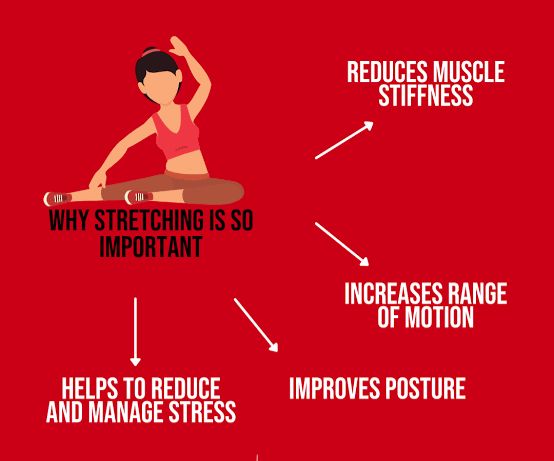
Why is stretching and muscle releasing is important during rehabilitation ? Stretching and muscle releasing play a crucial role in rehabilitation by promoting flexibility, reducing pain, and enhancing recovery. After an injury or surgery, muscles often become tight or imbalanced, leading to stiffness and limited movement. Stretching helps to lengthen the muscles and improve range of motion, which can reduce strain on surrounding tissues and prevent further injury. It also encourages blood flow, delivering oxygen and nutrients to the affected area, speeding up the healing process.
Read More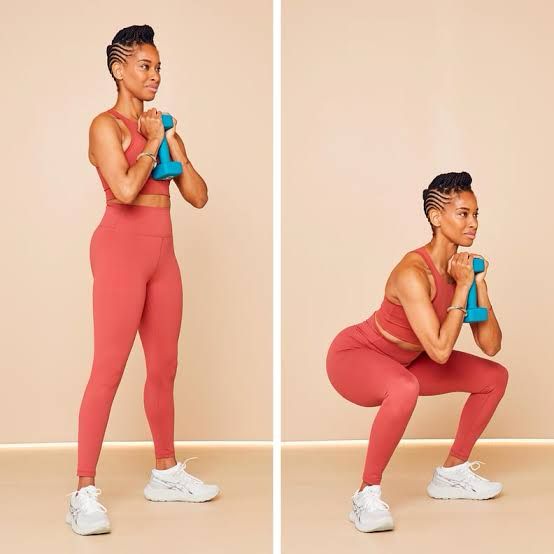
Correct way to do squats Despite being one of the most fundamental and practical movement patterns that humans have ever encountered, the majority of are no longer able to perform the squat position. This occurs when we lose mobility in our hips, ankles, and spine due to spending a lot of time sitting. Even persons with the most squat-resistant bone structure can learn to perform deep, comfortable squats, while some people find it more difficult to drop into a squat due to anatomical variances (such as the location of the hip joint).
Read More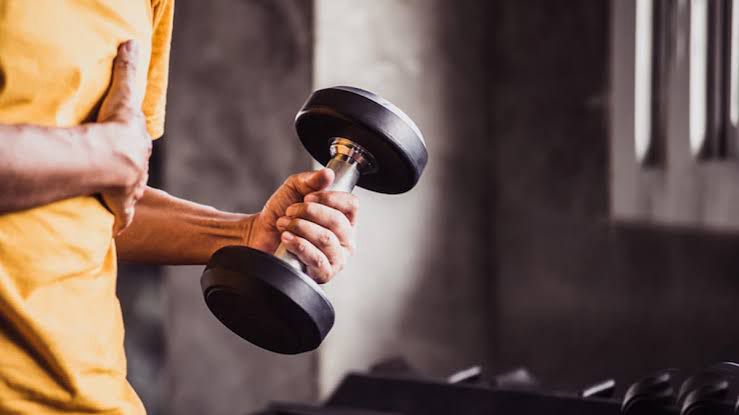
What not to ignore during weight/Resistance training:- Or Things should be considered before starting a weight or resistance training :-
Read More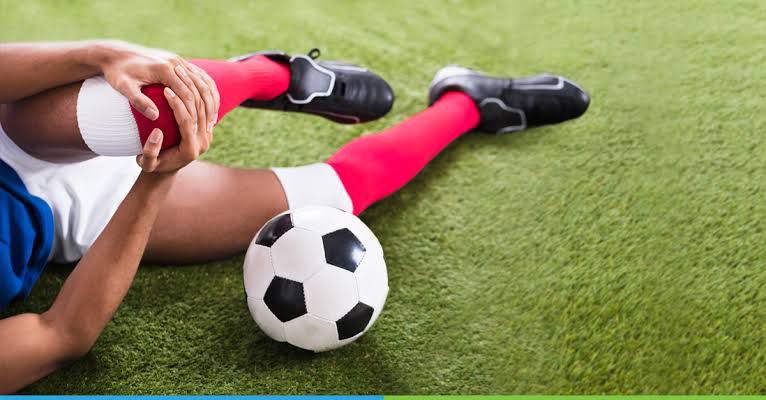
Do's and don'ts for Athletes to prevent Sports Injuries For athletes to continue performing at their best and prevent long-term setbacks, sports injury prevention is essential. The following are important dos and don'ts:
Read More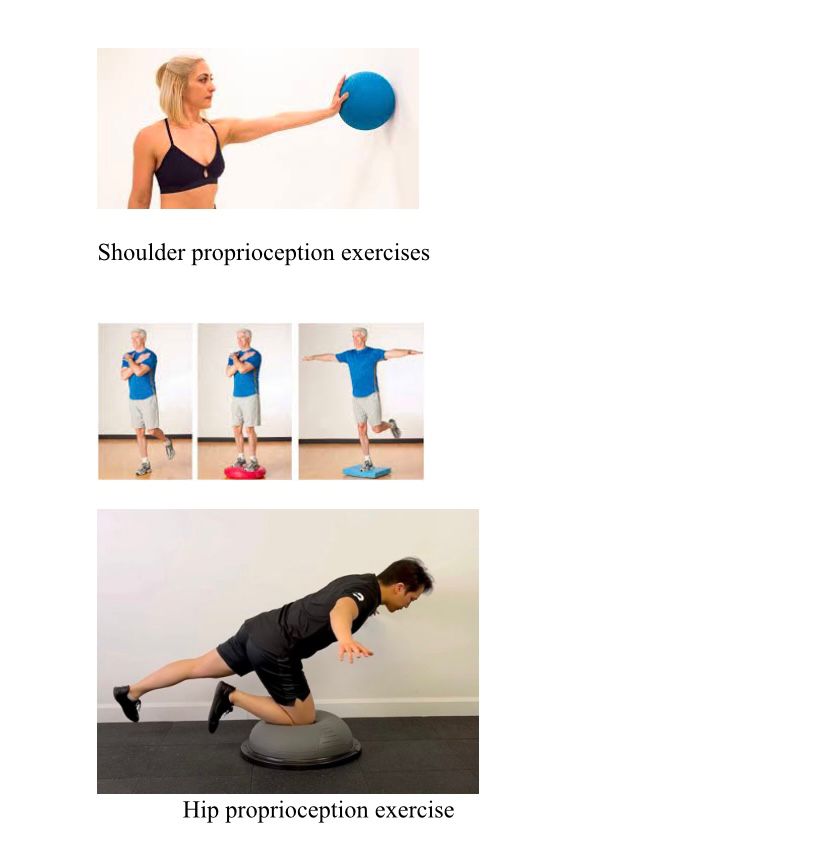
Importance of proprioception and proprioceptive training
Read More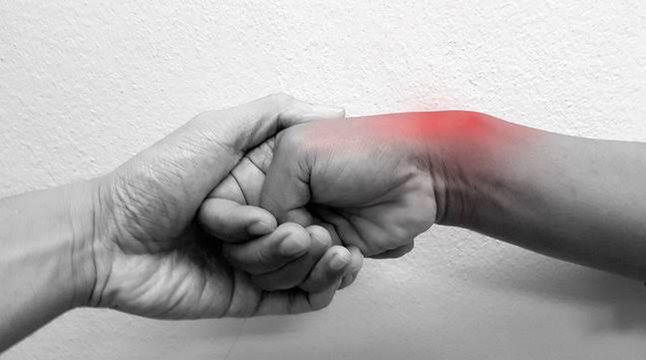
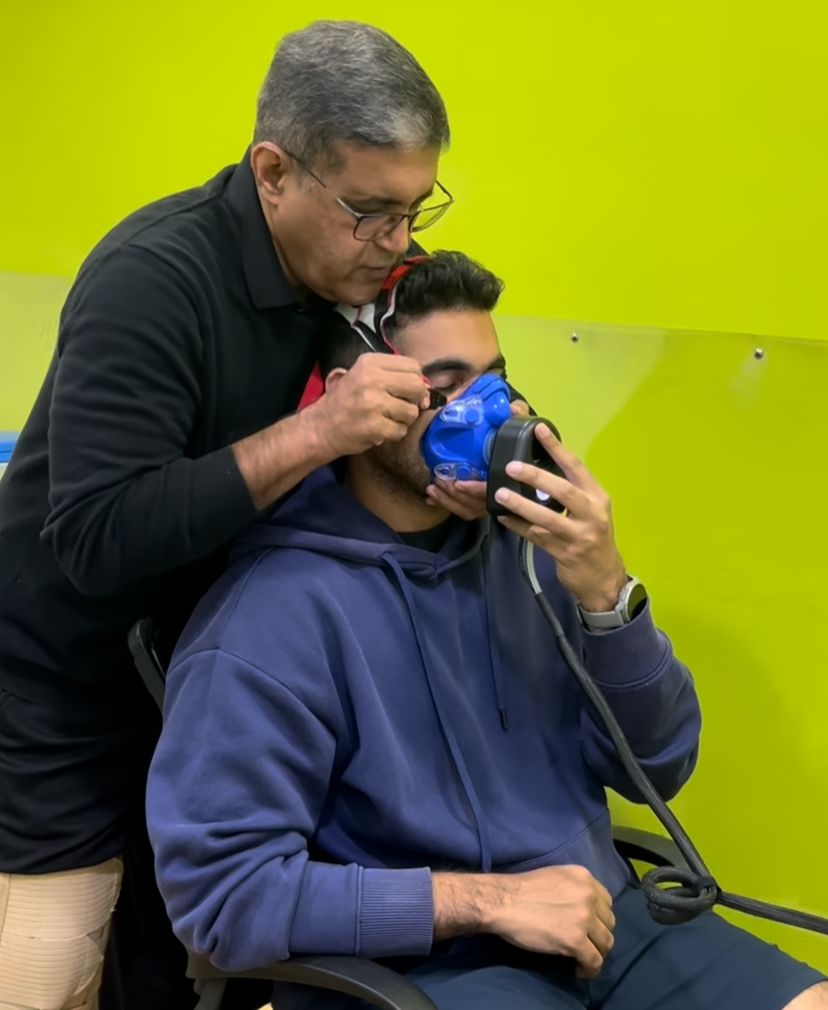
Importance of VO2 Max testing in athletes and non- athletes
Read More
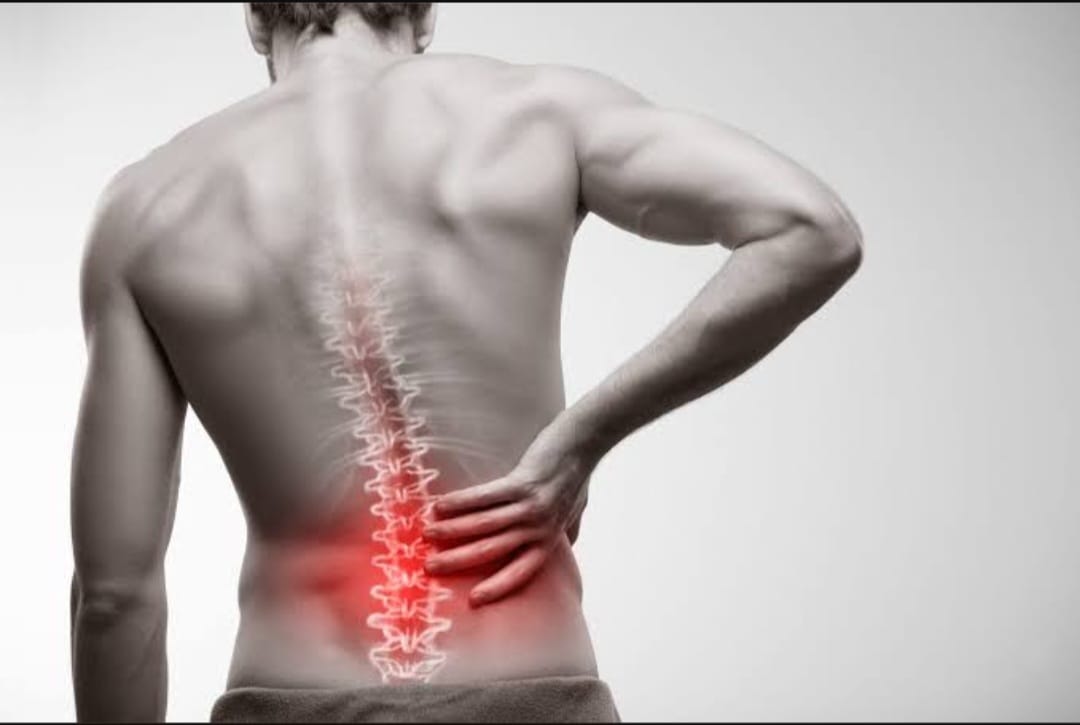
Do you feel low back pain while long hours of sitting?
Read More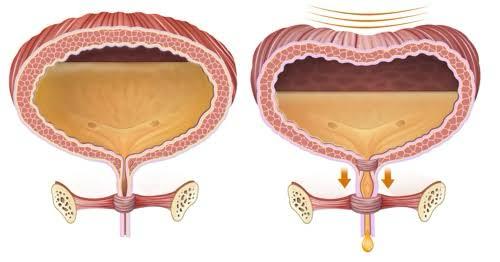
Importance of Pelvic Floor Exercises In Females
Read More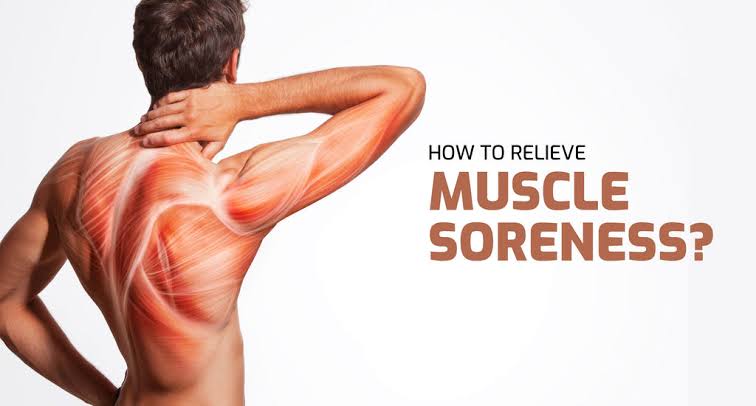
Is Soreness After Exercise Good or Bad? Soreness after exercise, often referred to as delayed onset muscle soreness (DOMS), is a common experience, especially after trying new workouts or increasing the intensity of your routine. While it can feel uncomfortable, mild soreness is generally a sign that your muscles are adapting and strengthening. During exercise, muscle fibers are stressed, and micro-tears occur. As they repair, muscles grow stronger and more resilient. However, excessive soreness or pain that lasts for more than a few days could indicate overtraining, improper form, or even injury. It’s essential to listen to your body and distinguish between normal post-workout discomfort and pain that might signal a problem. To manage soreness, incorporate proper warm-ups, cool-downs, and stretching into your routine. Staying hydrated, eating enough protein, and getting adequate rest can also speed up recovery. Remember, some soreness is normal, but persistent or sharp pain is a sign to seek professional advice.
Read More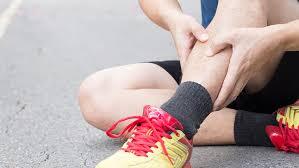
One of the most common complaints to develop in Runners is shin pain often progressing to a stress fracture.
Read More
At Rana Chengappa, we recognize the significant lack of awareness surrounding Sports Medicine among the public in RK Puram, New Delhi. Our mission is to educate individuals about the vital role sports medicine plays in injury prevention, treatment, and overall athletic performance. Through workshops, seminars, and community outreach, we aim to empower athletes and fitness enthusiasts with knowledge and resources to promote a healthier, more informed approach to sports and physical activity.
Read More
 +91-9870574666