Rehabilitation Success in Bilateral Hip Avascular Necrosis (AVN)
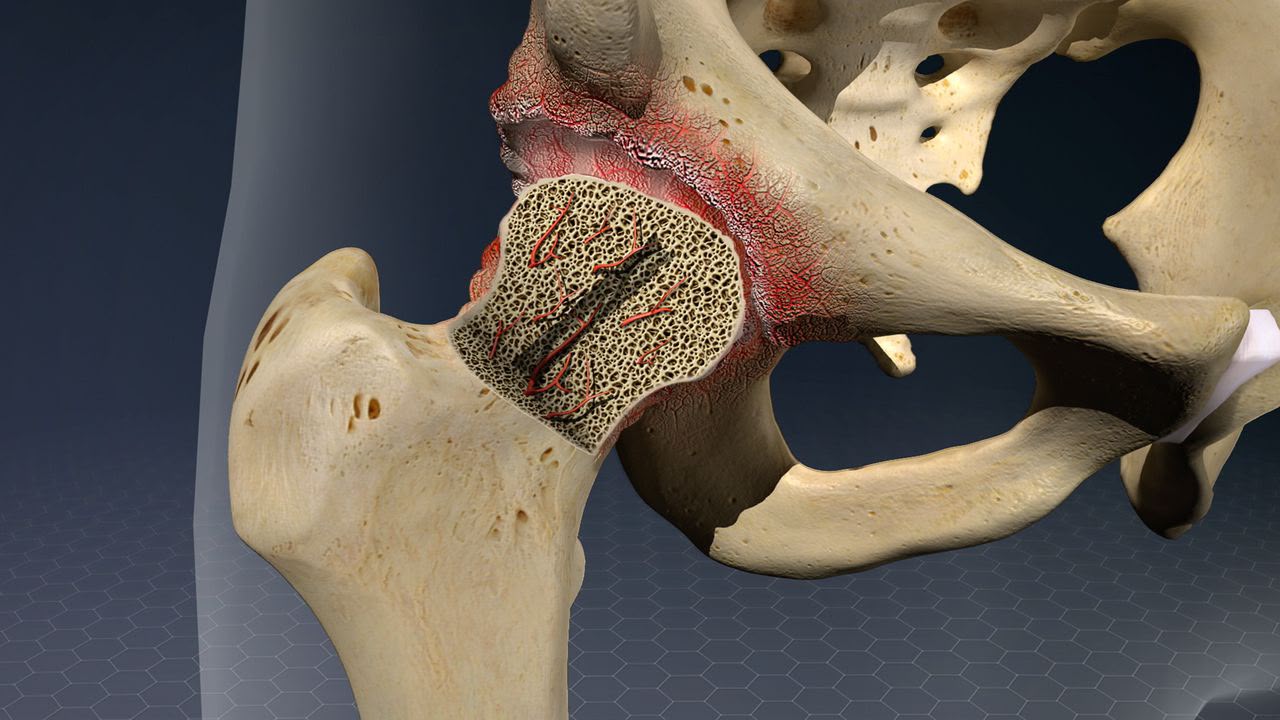
Avascular necrosis (AVN) of the hip is a condition in which the blood supply to the femoral head is compromised, leading to bone tissue death, pain, stiffness, reduced range of motion, and progressive joint dysfunction. If not managed appropriately, AVN can significantly impair mobility and daily activities and may ultimately require surgical intervention.
A patient diagnosed with bilateral hip AVN in October 2025 presented with severe functional limitations. He was unable to walk independently, required crutch support for ambulation, and had difficulty climbing stairs. As part of his comprehensive rehabilitation program, he underwent five sessions of extracorporeal shock wave therapy (ESWT), administered once weekly, with the treatment cycle repeated after three months. In addition, he received regular physiotherapy for seven months, including myofascial release of the adductors, piriformis, gluteus medius, and iliopsoas, along with hip mobility exercises, core strengthening, eccentric hip strengthening, and hamstring strengthening.
The patient's condition is now significantly improved compared to his initial presentation. He is able to walk independently without any support and has demonstrated marked improvements in strength, mobility, and overall function. This case highlights the potential benefits of a structured rehabilitation approach in enhancing quality of life and functional independence in patients with bilateral hip AVN.