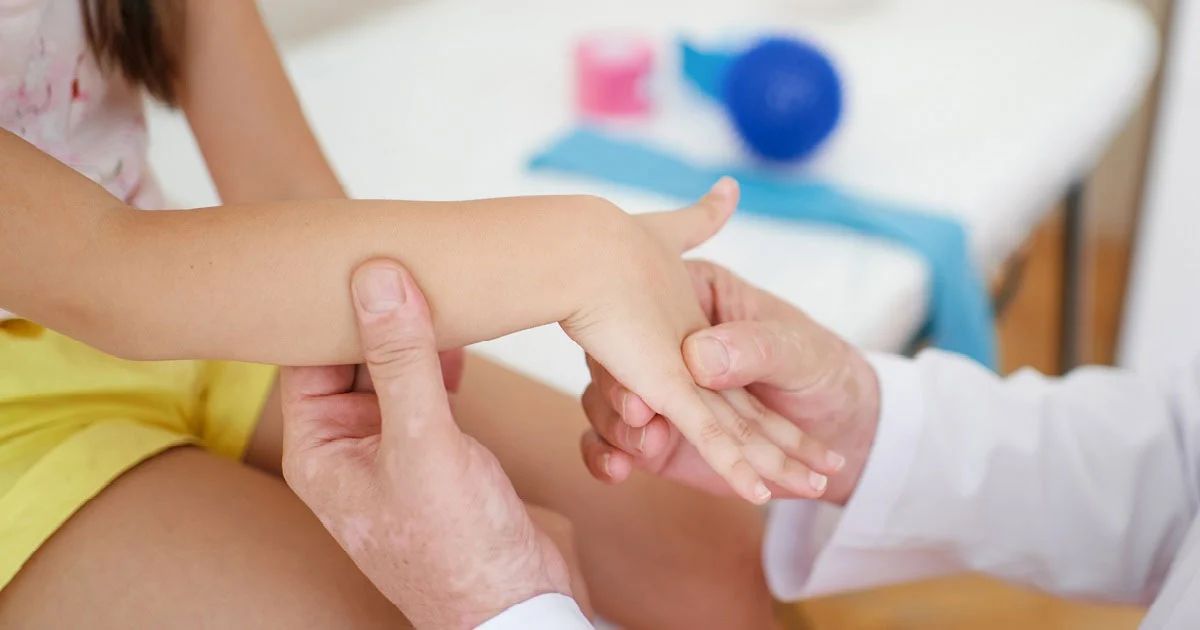
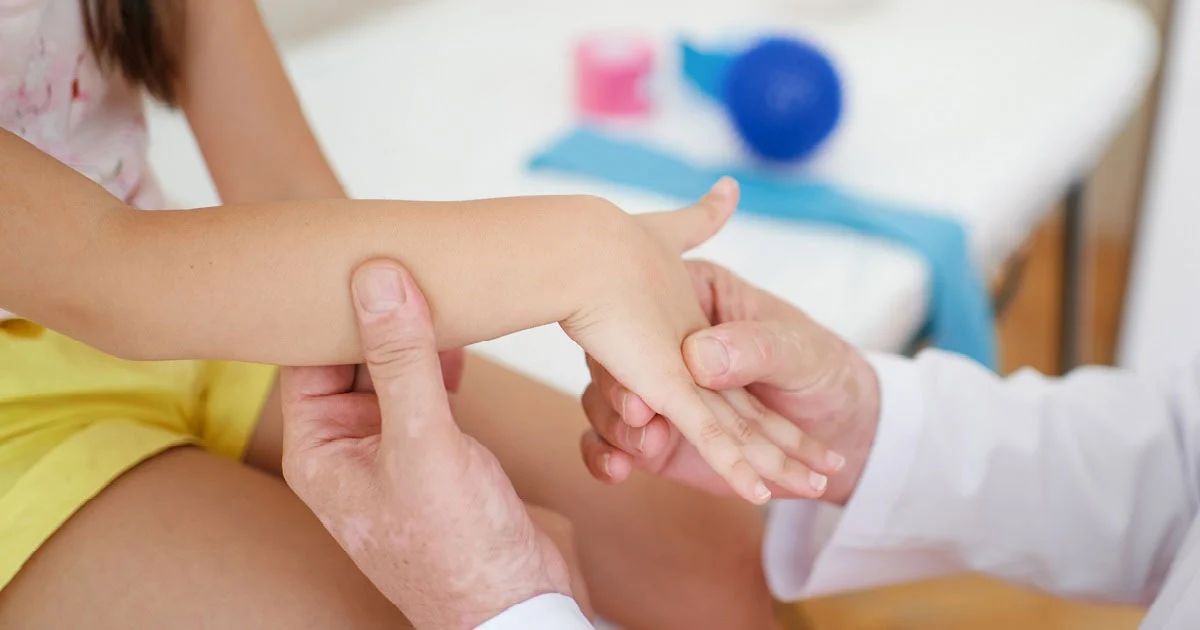
How serious is juvenile
arthritis? Does juvenile
arthritis get worse with age?
Juvenile idiopathic arthritis (JIA) is
idiopathic inflammatory arthritis and
chronic autoimmune condition affecting
children younger than 16 and lasting 6
weeks or longer. It causes joint pain,
stiffness and swelling. It has major
complications like growth problems,
permanent joint damage, visual
defectuveitis) and even organ affects but
timely identification and intensive care can
manage symptoms, prevent further
damage, and allow for a stable life. If JA
remains untreated gives serious long term
disability, while effective management
aims for remission and preserves function.
Key Seriousness Factors:
* Joint Damage: It causes inflammation
that damages cartilage and bone,
leading to stiffness, deformities and
long-term disability.
* Eye Complications
(Uveitis): Inflammation of the eye can
occur silently and lead to cataracts,
glaucoma, and even blindness,
requiring regular ophthalmologist
checkups.
* Growth Issues: JIA a n d s o m e
treatments (like steroids) can stunt
bone growth and development.
* Systemic Effects: The severe systemic
type (SJIA) can affect the heart, liver,
a n d lungs.
* Psychosocial Impact: Children with JIA
often experience higher rates of
anxiety, depression, and behavioral
problems.
* Lifelong Condition: Many children with
J I A c o n t i n u e to h a v e a c t i v e d i s e a s e
into adulthood, though treatments aim
for remission and better quality of life.
Juvenile Arthritis (JIA) doesn't always get
worse with age; some patients recover
with it, but many patients experience
ongoing symptoms into their adulthood,
It also depends on type of arthritis like
polyarthritis, rheumatoid arthritis etc.
Patient's immune system also responsible
for recovery. though early diagnosis and
aggressive treatment significantly improve
long-term quality of life and function. While
some have lifelong challenges, many
achieve remission, and active
management is crucial to prevent
worsening issues like joint degeneration or
bone problems a s their age.
T r e a t m e n t
The goal is to relieve pain, reduce
inflammation and move to functional life.
* Medications: C o m m o n t r e a t m e n t s
i n c l u d e N o n - s t e r o i d a l Anti-
inflammatory Drugs (NSAIDs),
DMARDs (Disease-Modifying Anti-
Rheumatic Drugs).
* Physical Therapy: To increase muscle
strength and control deformities
exercises and bracing are necessary.
* Surgery: While rare, joint replacements
may be necessary in extreme, long-
t e r m c a s e s .
Consult with a healthcare professional,
such as a sports- medicine specialist, an
orthopedic specialist and physical
therapist for your treatment plan.